 English
 Deutsch
 Italia
November 16, 2026
When Is the Best Time to Visit Serengeti National Park in Tanzania?
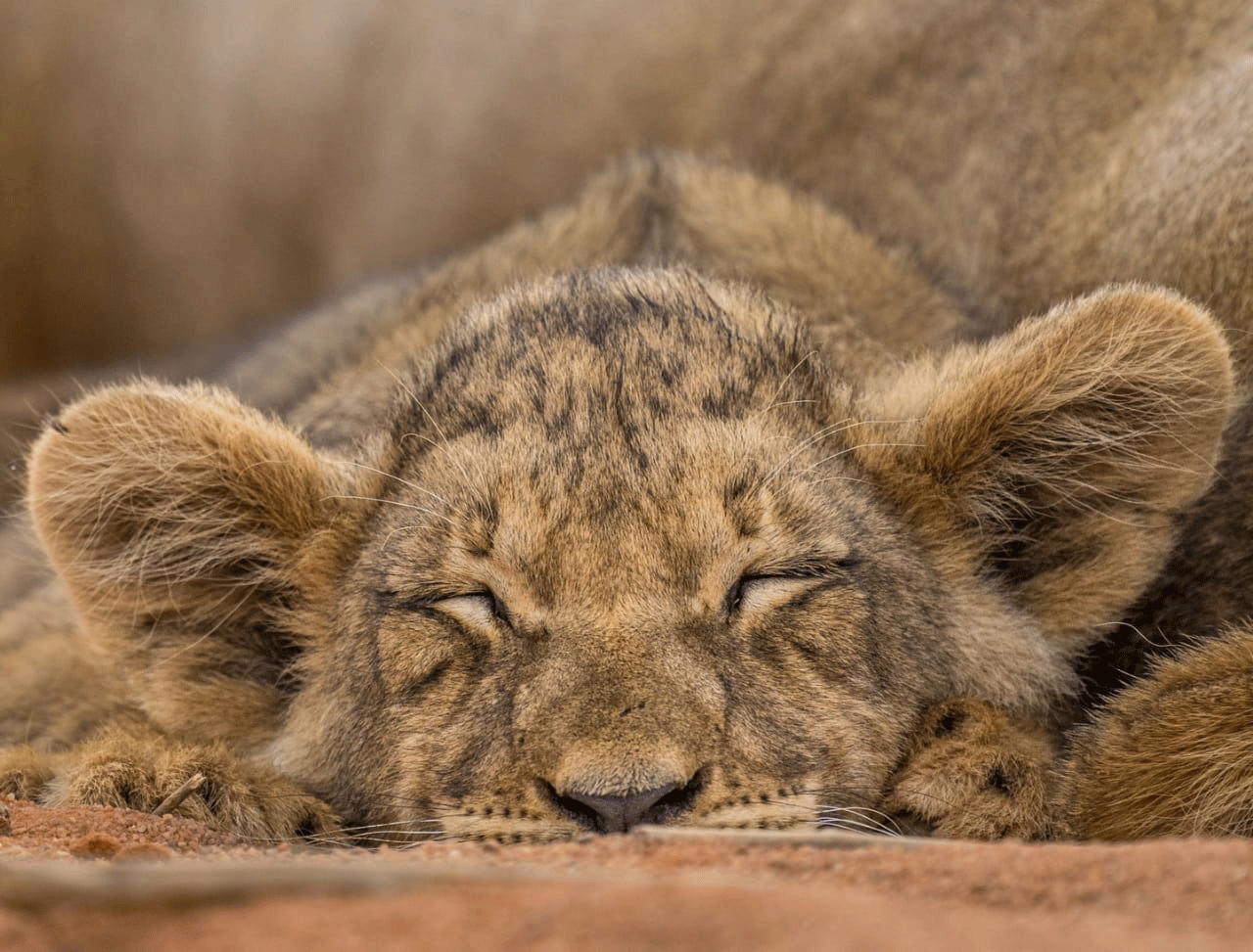
The best time to visit Serengeti National Park in Tanzania depends on the wildlife experience you want. June to October offers excellent general wildlife viewing, with drier weather, shorter grass and animals gathering around rivers and remaining water sources. January to March is another rewarding period, especially for the wildebeest calving season across the southern Serengeti ecosystem. During this time, the Ndutu plains become an important area for wildebeest herds and newborn calves.
Serengeti National Park is a year-round safari destination, so you can enjoy game drives in every season. The green season from November to May brings fresh grass, beautiful landscapes and excellent birdwatching opportunities, while April and May usually receive heavier rainfall. Each period offers a different safari experience, and the best choice depends on your travel dates, budget and wildlife interests.
The Great Wildebeest Migration also influences the best time to visit different parts of the park. Herds move across the Serengeti ecosystem throughout the year in response to rainfall and fresh grazing. This means their exact location can change from one year to another, so no month guarantees a particular migration sighting or river crossing.
This guide explains the Serengeti weather by month, the best seasons for wildlife viewing, where to follow the Great Migration and how to choose the right time for your Tanzania safari.
Table of contents
- Best Time to Visit Serengeti National Park at a Glance
- Understanding Serengeti’s Seasons
- Best Time to Visit Serengeti National Park Month by Month
- Best Time to Visit Serengeti for the Great Wildebeest Migration
- Best Time to Visit Different Areas of Serengeti National Park
- Best Time to Visit Serengeti for Wildlife and Big Cats
- Best Time to Visit Serengeti for Fewer Crowds and Lower Safari Costs
- Is Serengeti National Park Worth Visiting All Year Round?
- How to Choose the Right Time for Your Serengeti Safari
- Frequently Asked Questions About the Best Time to Visit Serengeti
- Plan Your Serengeti Safari
Best Time to Visit Serengeti National Park at a Glance
The best time to visit Serengeti National Park depends on your safari priorities. June to October is ideal for general wildlife viewing during the dry season, while January to March offers excellent opportunities to experience the wildebeest calving season in the southern Serengeti ecosystem. November to May brings greener landscapes, seasonal wildlife movements and rewarding birdwatching.
| Travel period | Season and conditions | What to expect |
|---|---|---|
| January to March | Warm, with seasonal rains | Wildebeest calving, newborn calves and predator activity around Ndutu |
| April to May | Long rainy season | Green landscapes, fewer visitors and potentially lower safari rates |
| June to July | Dry season begins | Herd movements through the Western Corridor and possible Grumeti River crossings |
| August to October | Main dry season | Excellent general wildlife viewing and possible Mara River crossings in the north |
| November to December | Short rainy season | Fresh grass, changing migration locations and greener scenery |
These periods provide a general guide rather than fixed wildlife schedules. Rainfall influences where the wildebeest herds move, so their location and river-crossing opportunities can vary each year.
For a first-time safari focused on diverse wildlife viewing, consider June to October. If you want to experience the Great Wildebeest Migration calving season, January and February are particularly rewarding. For quieter travel and lush scenery, consider the green season, especially if you can plan around the heavier April and May rains.
Your choice should also consider which part of the Serengeti you want to explore, how long you have for your safari and whether you prefer migration experiences, big-cat viewing or a quieter wildlife holiday.
Understanding Serengeti’s Seasons
Serengeti National Park has two main travel seasons: the dry season, which generally runs from June to October, and the green and rainy period, which usually runs from November to May. Each season creates different conditions for wildlife viewing, photography and safari travel. The dry months often make animals easier to spot, while the wetter months transform the plains with fresh grass, seasonal flowers and birdlife.
The seasons do not affect every part of the Serengeti in exactly the same way. Rainfall varies across the park, and weather patterns can shift from year to year. Understanding these seasonal differences helps you choose the right travel dates and plan which areas to explore.
Dry Season in Serengeti (June to October)
The dry season offers some of the best conditions for general wildlife viewing in Serengeti National Park. Rainfall decreases, grass becomes shorter and many seasonal water sources dry up. Animals often gather around rivers, waterholes and other remaining sources of water, making them easier to locate during game drives.
June marks the transition from the rainy months, so parts of the Serengeti can still look green. As the dry season progresses, the landscape becomes drier and dustier, especially around frequently used tracks. July, August and September usually offer excellent wildlife-viewing conditions, while October often brings warmer weather before the short rains begin.
This period also provides opportunities to follow the Great Wildebeest Migration. Herds generally move through the Western Corridor and towards the Northern Serengeti, where river crossings may occur. However, rainfall influences their movements, so the timing and location of these events can change each year.
Early morning game drives can feel cold, particularly in June, July and August. Pack a warm layer for open-vehicle safaris, even when daytime temperatures feel comfortable.
Green Season and Rainy Period (November to May)
The green season brings fresh grass, flowering plants and greener scenery to Serengeti National Park. Seasonal rainfall supports new vegetation and attracts many birds, including migratory species. The landscape also creates excellent opportunities for nature photography, with dramatic skies and colourful scenery.
This period includes different rainfall patterns rather than one continuous rainy season. November and December usually bring short rains, often in the form of showers. January and February are generally drier between the main rainy periods, although occasional rain can still occur. These months are especially important for the wildebeest calving season in the southern Serengeti ecosystem, particularly around the Ndutu plains.
The long rains usually arrive from March to May, with April often bringing challenging wet conditions. Heavy showers can make some unpaved tracks muddy and slow down game drives. Some seasonal camps may also close during parts of this period, so check accommodation availability before confirming your safari.
The rainy months can suit travellers who prefer greener landscapes, birdwatching and potentially quieter safari areas. Wildlife viewing remains possible throughout the year, particularly in central Serengeti, where resident animals live year-round. However, changing rainfall and vegetation can affect where animals gather and how easily guides locate them.
The green season does not mean that every day brings heavy rain. Weather varies by month and location, so choose your dates according to the experience you want rather than avoiding the entire rainy period.
Best Time to Visit Serengeti National Park Month by Month
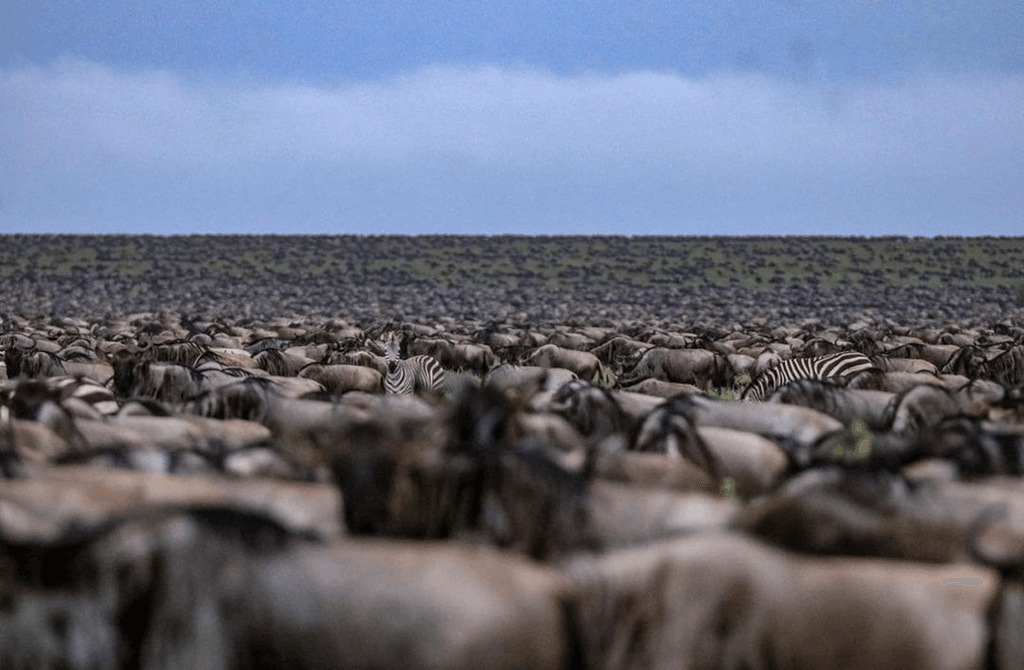
Every month offers a different safari experience in Serengeti National Park. Weather conditions, grass growth and seasonal rainfall influence wildlife movements throughout the year. The Great Wildebeest Migration follows fresh grazing across the Serengeti ecosystem, while resident animals such as lions, elephants, leopards, giraffes and buffalo live in the park throughout the year.
Use this month-by-month guide to understand the typical conditions, where the migration usually moves and what you can expect from a Serengeti safari. Migration locations are seasonal patterns, not guaranteed positions on specific dates.
Serengeti in January
January is a rewarding month to visit Serengeti National Park, particularly if you want to explore the southern plains during the wildebeest calving season. The short rains usually begin to ease, leaving parts of the landscape green and attractive for wildlife photography.
Large herds of wildebeest and zebras gather around the southern Serengeti plains and the Ndutu area, where the calving season gets underway. Predators such as lions, cheetahs and hyenas also follow the herds, creating opportunities to observe natural predator-prey interactions.
January generally brings warm weather, occasional showers and good wildlife viewing. It suits travellers who want green scenery, large herds and the early stages of the calving season.
Serengeti in February
February is one of the best months to visit the southern Serengeti ecosystem for the wildebeest calving season. Large numbers of wildebeest give birth across the short-grass plains, especially around Ndutu, attracting predators that hunt in the area.
The open landscape makes it easier to observe herds, newborn calves and predator activity during game drives. You may also see zebras, gazelles, elephants, giraffes and other resident wildlife.
Weather conditions are generally warm, with a relatively drier period between the main rainy seasons. February is particularly suitable for visitors interested in the Great Migration, wildlife photography and predator activity. Ndutu accommodation can become busy during this popular period, so booking early helps secure a suitable camp.
Serengeti in March
March offers another opportunity to experience the wildebeest calving season, although the herds may begin spreading across the southern plains as conditions change. Early March can still provide rewarding wildlife viewing around Ndutu and the southern Serengeti ecosystem.
Rainfall generally increases as the month progresses, marking the approach of the long rainy season. Fresh vegetation keeps the plains green, while changing weather can bring dramatic skies and attractive photography conditions.
Wildlife remains active, and resident animals continue to offer good game-viewing opportunities. However, showers may become more frequent, and some unpaved tracks can become muddy. March suits flexible travellers who want to experience the green landscape and late calving-season activity.
Serengeti in April
April falls within the long rainy season and is generally one of the wettest months in Serengeti National Park. Regular rainfall transforms the plains into a lush green landscape, with fresh vegetation and seasonal flowers creating beautiful scenery.
The wildebeest herds usually begin moving away from the southern plains towards central and western areas as they search for fresh grazing. Their exact location depends on rainfall, so the migration may spread across different parts of the ecosystem.
April often brings fewer safari visitors than the main dry-season months. Some seasonal camps may close, and heavy rain can make certain tracks difficult to navigate. Travellers who choose April should remain flexible with their game-drive plans and check camp availability before booking.
This month can suit visitors who prefer quieter safari conditions, green scenery and potentially lower accommodation rates rather than predictable weather.
Serengeti in May
May is a transition month as the long rains gradually ease and the landscape remains green. The wildebeest herds generally begin moving north and west from the southern plains towards the central Serengeti and Western Corridor in search of fresh grazing.
This movement creates opportunities to explore different parts of the park while enjoying fewer visitors than during the peak dry season. Resident wildlife, including lions, elephants, leopards and giraffes, remains present throughout the year.
Rain can still affect some roads, particularly early in the month, so allow flexibility when planning longer drives. Some camps may operate seasonally, making it important to confirm accommodation before travelling.
May can be a good choice for travellers seeking a quieter Serengeti safari, greener scenery and potentially better accommodation rates.
Serengeti in June
June marks the beginning of the main dry season in Serengeti National Park. Rainfall usually decreases, the landscape starts drying out and wildlife becomes easier to spot as vegetation becomes less dense.
The Great Migration generally moves through the Western Corridor, where wildebeest herds gather around the Grumeti River. The river forms part of their seasonal route, and some herds may attempt crossings. However, the timing depends on rainfall and herd movements, so crossings are never guaranteed.
Cooler mornings and evenings can make early game drives feel chilly, especially in open safari vehicles. June offers a good balance of improving weather, rewarding wildlife viewing and opportunities to follow the migration before the busiest months arrive.
Serengeti in July
July is one of the most popular months for a Serengeti safari because of the dry weather and seasonal movement of the Great Migration. The herds generally continue moving from the Western Corridor towards the Northern Serengeti.
Some wildebeest may begin approaching the Mara River during this period. Visitors can explore areas around the northern plains and river systems in search of migration activity, although the exact location of the herds changes from year to year.
Dry conditions also improve general wildlife viewing. Shorter grass makes it easier to spot animals, while water sources become increasingly important for wildlife.
July suits travellers looking for excellent game drives, dry weather and a chance to follow the migrating herds. It is a busy safari month, so book accommodation and suitable camps well in advance.
Serengeti in August
August is an excellent month to visit the Northern Serengeti, particularly for travellers hoping to see the Great Wildebeest Migration around the Mara River.
Large herds often occupy the northern Serengeti plains and move between grazing areas on both sides of the river. Some groups may attempt river crossings, creating dramatic wildlife encounters when conditions allow. However, crossings depend on herd behaviour, river conditions and rainfall, so no safari operator can guarantee one.
The dry season also supports excellent general wildlife viewing across the park. Lions, leopards, cheetahs, elephants, giraffes and other animals remain important highlights beyond the migration.
August is a popular travel month, especially in the northern Serengeti. Plan your accommodation around the area you want to explore and allow enough time for game drives.
Serengeti in September
September continues the dry-season safari conditions, with excellent opportunities for wildlife viewing across Serengeti National Park. The Northern Serengeti remains an important area for the Great Migration, as herds may continue moving around the Mara River and searching for fresh grazing.
River crossings can still occur, but the timing and frequency vary each year. Some herds may remain in the north, while others move across the wider Serengeti–Mara ecosystem.
The dry landscape and shorter vegetation make it easier to spot wildlife during game drives. September is particularly suitable for visitors who want to combine migration viewing with general wildlife experiences.
Although visitor numbers may remain high in popular northern areas, September can offer a rewarding safari with favourable weather and excellent photography opportunities.
Serengeti in October
October is usually part of the late dry season, although occasional rainfall may begin towards the end of the month. The Northern Serengeti can still attract migrating herds, particularly where fresh grazing remains available.
As seasonal conditions change, some wildebeest begin moving south towards central and eastern parts of the ecosystem. This movement does not happen on a fixed schedule, and the herds may spread across different areas.
General wildlife viewing remains rewarding because vegetation is often relatively short and animals continue gathering around available water sources. October can also bring warmer conditions than the middle of the dry season.
This month suits travellers who want dry-season game viewing and a chance to explore the northern Serengeti before the short rains become more established.
Serengeti in November
November marks the return of the short rains in many parts of Serengeti National Park. Showers help fresh grass grow across the plains, gradually changing the landscape from dry brown tones to greener scenery.
The Great Migration generally begins moving south from the northern Serengeti towards the central and southern parts of the ecosystem. Herds follow fresh grazing as rainfall spreads across the plains, although their movements can vary depending on local weather.
November offers opportunities for wildlife photography, birdwatching and game drives in a changing landscape. Migratory birds also begin arriving, adding variety to the park’s resident birdlife.
The short rains do not usually mean continuous rainfall throughout the month. Visitors can still enjoy rewarding game drives, but flexible planning helps when showers affect road conditions. November can suit travellers who prefer greener scenery and potentially fewer visitors than the peak dry season.
Serengeti in December
December brings greener landscapes and renewed grazing across the Serengeti ecosystem as the short rains continue. The Great Migration generally moves towards the southern plains, with herds gradually returning to the Ndutu area and surrounding grasslands.
This seasonal movement makes December a good month to explore the southern and central Serengeti. Visitors can enjoy resident wildlife, including lions, elephants, giraffes, zebras and various antelope species, alongside the changing migration patterns.
Weather is generally warm, with occasional showers and a mixture of sunny and cloudy days. The landscape becomes increasingly attractive for photography as fresh vegetation covers the plains.
December is a rewarding choice for travellers who want a green-season safari before the main calving period begins. Demand can increase around Christmas and New Year, so arrange accommodation early if you plan to travel during the festive season.
Best Time to Visit Serengeti for the Great Wildebeest Migration
The best time to visit Serengeti National Park for the Great Wildebeest Migration depends on which stage of the journey you want to experience. January to March is ideal for wildebeest calving in the southern Serengeti ecosystem, May to July offers opportunities to follow herds through the Western Corridor and around the Grumeti River, while July to October is the main period for possible Mara River crossings in the Northern Serengeti.
The Great Migration involves millions of wildebeest, zebras and other grazing animals moving across the Serengeti to Mara ecosystem in search of fresh grass and water. The herds move throughout the year rather than following a fixed route or calendar. Rainfall, grazing conditions and water availability influence their location, so the best area for your safari can change from one year to another.
Calving Season in Ndutu (January to March)
January to March is one of the best periods to experience the Great Wildebeest Migration in the southern Serengeti ecosystem. During these months, large herds gather across the short-grass plains around Ndutu and the southern Serengeti, where nutritious grass provides suitable grazing for pregnant wildebeest and newborn calves.
February is generally the peak of the calving season, when many wildebeest give birth within a relatively short period. The newborn calves attract predators, including lions, cheetahs, hyenas and jackals, creating opportunities to observe natural wildlife behaviour during game drives.
The open plains around Ndutu also make it easier to watch large herds grazing and moving across the landscape. You can combine migration viewing with sightings of zebras, gazelles, elephants, giraffes and resident predators.
Ndutu is located in the Ngorongoro Conservation Area, just south of Serengeti National Park, but forms an important part of the wider southern Serengeti ecosystem. A safari focused on calving season should therefore include the Ndutu area rather than concentrating only on the national park.
Best for: Wildebeest calving, newborn calves, predator activity, large herds and wildlife photography.
Western Serengeti and Grumeti River Crossings (May to July)
May to July is an important transition period as wildebeest herds move away from the southern plains towards the central and western parts of the Serengeti ecosystem. The Western Corridor, particularly the area around the Grumeti River, becomes an important migration region during this movement.
As the herds travel through the Western Corridor, they search for fresh grazing and suitable water sources. The Grumeti River presents a natural obstacle along their route. Some wildebeest and zebras gather near the riverbanks before attempting to cross, where large crocodiles live in the water.
River crossings can create dramatic wildlife encounters, but they do not happen on a predictable schedule. Herds may approach the river, wait, change direction or cross at different locations. The timing also depends on rainfall and the movement of the herds.
June and July can offer particularly good opportunities to explore the Western Corridor and follow the migration. However, some herds may already have moved further north, so choosing accommodation near the expected migration area is important.
Best for: Following migrating herds, exploring the Western Corridor, possible Grumeti River crossings and less predictable migration encounters.
Northern Serengeti and Mara River Crossings (July to October)
July to October is the main period to visit the Northern Serengeti if you want an opportunity to witness the famous Mara River crossings. During these months, large wildebeest and zebra herds move through the northern plains towards the Mara River and the Maasai Mara ecosystem in Kenya.
The river creates one of the most challenging obstacles along the migration route. Herds sometimes gather along the riverbanks before animals enter the water and attempt to reach the opposite side. Crocodiles, strong currents and steep riverbanks make these crossings dramatic natural events.
The Kogatende and Lamai areas provide important access to the northern migration region. Staying in this part of the Serengeti allows you to spend more time exploring the river areas instead of travelling long distances from central Serengeti.
August and September are popular months for northern migration safaris, although crossings can also happen in July and October. The herds may move between Tanzania and Kenya, and their location can change quickly. A river crossing is never guaranteed, even during the main migration season.
The Northern Serengeti also offers excellent opportunities to see lions, leopards, elephants, buffalo and other wildlife beyond the migration.
Best for: Possible Mara River crossings, large wildebeest herds, crocodiles, dry-season wildlife viewing and northern Serengeti landscapes.
Wildebeest Migration Return to Southern Serengeti (November to December)
November and December mark the beginning of the herds’ return towards the southern Serengeti ecosystem. Short rains usually bring fresh grass to the central, eastern and southern plains, encouraging wildebeest and zebras to move towards areas with new grazing.
The herds gradually spread across different parts of the ecosystem as they follow rainfall and fresh vegetation. By December, many begin gathering around the southern plains and Ndutu area ahead of the next calving season.
This period offers a different migration experience from the famous river crossings. Instead of focusing on one river or a concentrated group of animals, visitors can follow large herds moving across open plains and enjoy the changing green-season scenery.
November and December are also rewarding months for birdwatching and wildlife photography. Occasional showers can occur, but game drives remain possible throughout the season.
Best for: Following the herds south, green landscapes, birdwatching, seasonal wildlife photography and early calving-season preparation.
Best Time to Visit Different Areas of Serengeti National Park
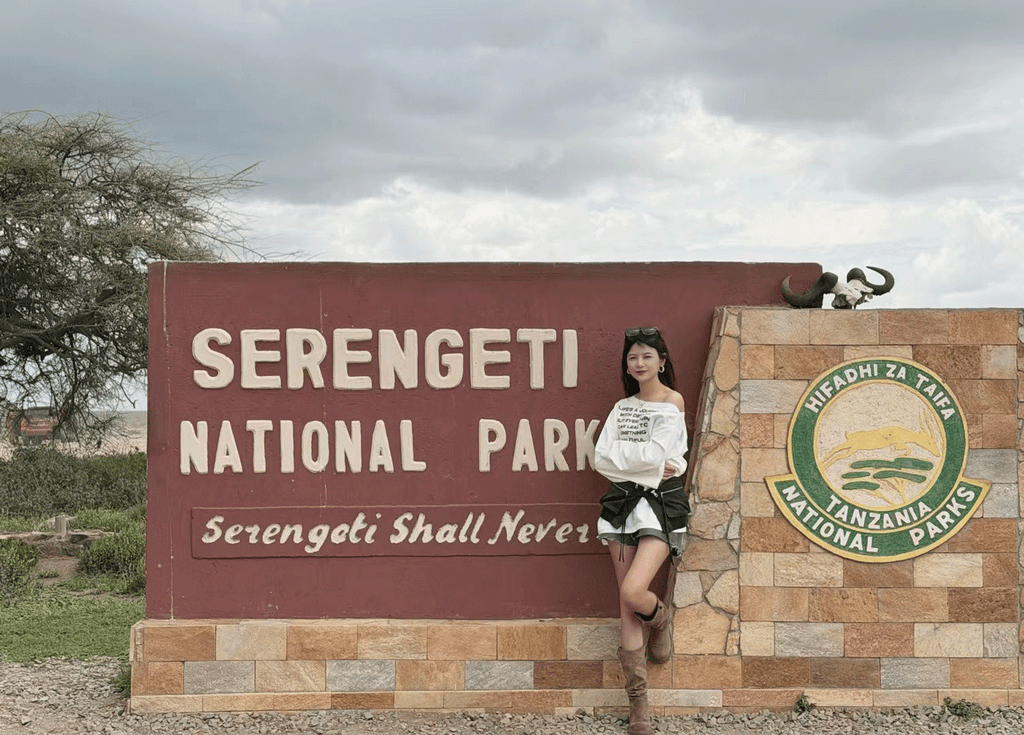
Serengeti National Park covers a large area, and wildlife viewing conditions vary between its southern, central, western and northern regions. Each area offers different landscapes, wildlife habitats and seasonal migration experiences. Choosing the right region can make a significant difference to your safari, especially if you want to follow the Great Wildebeest Migration.
The southern plains are important during the calving season, central Serengeti offers resident wildlife throughout the year, the Western Corridor provides opportunities to follow herds around the Grumeti River, and the Northern Serengeti attracts migrating herds during the Mara River crossing season.
Southern Serengeti
The southern Serengeti is best known for the Great Wildebeest Migration calving season, which generally takes place from January to March. During this period, large herds of wildebeest gather across the open short-grass plains to feed and give birth. February is usually the peak calving month, when thousands of newborn calves can appear across the plains.
This region offers excellent opportunities to observe wildebeest, zebras, gazelles and predators such as lions, cheetahs and hyenas. The open grasslands also provide attractive conditions for wildlife photography, particularly when predators follow the large herds.
The nearby Ndutu area is an important part of this seasonal experience. Ndutu lies within the Ngorongoro Conservation Area, south of Serengeti National Park, but forms part of the wider southern Serengeti ecosystem. Visitors planning a calving-season safari should consider both the southern Serengeti plains and Ndutu when choosing their accommodation and game-drive areas.
Best time to visit: January to March for wildebeest calving and predator activity. November and December can also be rewarding as the herds move south towards fresh grazing.
Central Serengeti
Central Serengeti, particularly the Seronera area, is one of the most reliable regions for year-round wildlife viewing. Its mix of open grasslands, rocky outcrops known as kopjes, river valleys and woodland habitats supports a wide variety of animals throughout the year.
Central Serengeti is especially popular for big-cat viewing. Lions often use the kopjes and surrounding plains, while leopards may rest in trees along river valleys. Cheetahs, elephants, giraffes, buffalo, zebras and several antelope species also live in this region.
The Great Wildebeest Migration passes through central Serengeti during parts of the year, often around April, May and November, although the timing depends on rainfall and grazing conditions. Even when the main herds move elsewhere, resident wildlife makes Seronera a rewarding destination.
Best time to visit: June to October for dry-season wildlife viewing. January to March and November to December also offer good opportunities, depending on your preferred scenery and migration experience.
Western Serengeti
The Western Corridor stretches towards the western side of Serengeti National Park and includes the Grumeti River region. It becomes particularly important during the Great Wildebeest Migration, when large herds move north and west from the southern plains in search of fresh grazing.
May to July is generally a good period to explore this area. Wildebeest and zebras may gather around the Grumeti River, where some groups attempt to cross as they continue their seasonal journey. Large crocodiles live in the river, making these crossings a dramatic natural wildlife event when they occur.
The Western Corridor also supports resident wildlife, including elephants, giraffes, buffalo, lions and other predators. Its scenery includes open plains, woodland and riverine habitats, offering a different experience from the central and northern regions.
River crossings do not happen on fixed dates. Herd movements depend on rainfall and grazing conditions, so visitors should allow time to explore the area rather than plan around a guaranteed crossing.
Best time to visit: May to July for opportunities to follow the migration and possible Grumeti River crossings. June and July can also offer improving dry-season conditions.
Northern Serengeti
The Northern Serengeti is an important destination during the Great Wildebeest Migration, particularly from July to October. This region includes the Kogatende and Lamai areas, where large herds often move towards the Mara River during the dry season.
The Mara River forms part of the migration route between Tanzania and Kenya. Some wildebeest and zebras gather along its banks before attempting to cross, facing strong currents, steep banks and crocodiles in the water. These crossings attract many safari visitors because they offer dramatic opportunities to observe the challenges of the migration.
The Northern Serengeti also provides excellent general wildlife viewing. Lions, leopards, elephants, giraffes, buffalo and other animals inhabit the region, while its rolling hills, open plains and river valleys create beautiful safari landscapes.
August and September are popular months for northern migration safaris, but crossings can occur at different times depending on rainfall and herd movements. Some herds may remain in the north while others move between Tanzania and Kenya, so a river crossing is never guaranteed.
Best time to visit: July to October for opportunities to follow the migration and possible Mara River crossings. June and November may also offer rewarding experiences as herds move between regions.
Best Time to Visit Serengeti for Wildlife and Big Cats
Serengeti National Park offers excellent opportunities to see wildlife and big cats throughout the year. Lions, leopards and cheetahs live in different parts of the park, while elephants, giraffes, buffalo, zebras and several antelope species provide rewarding sightings during game drives. However, the best time for wildlife viewing depends on the season, vegetation, water availability and the region you choose to explore.
June to October is generally one of the best periods for general wildlife viewing. During the dry season, grass becomes shorter, vegetation thins out and animals often gather around rivers and remaining water sources. These conditions can make wildlife easier to spot, particularly during morning and afternoon game drives.
Central Serengeti, especially the Seronera area, is a strong choice for visitors interested in big cats. Its open plains, rocky kopjes and river valleys provide important habitats for lions, leopards and cheetahs. Lions often rest around kopjes, leopards use trees along river systems and cheetahs hunt across open grasslands where they can watch for prey.
January to March also offers rewarding wildlife experiences in the southern Serengeti ecosystem. During the wildebeest calving season, large herds gather around the southern plains and Ndutu area. Newborn calves attract predators, creating opportunities to observe lions, cheetahs, hyenas and other carnivores following the herds.
The green season from November to May offers a different wildlife experience. Fresh grass, greener landscapes and seasonal birdlife create excellent photography opportunities. Although thicker vegetation can make some animals harder to spot, resident wildlife remains present throughout the year.
For the best overall experience, consider combining central Serengeti with another region based on your travel dates. You can explore Seronera for resident wildlife and big cats, then visit the southern plains for calving season or the northern Serengeti for seasonal migration experiences.
Remember that wildlife sightings depend on natural animal behaviour, weather and the time spent exploring each area. An experienced safari guide can help you choose productive game-drive areas and adjust your route according to current wildlife activity.
Best Time to Visit Serengeti for Fewer Crowds and Lower Safari Costs
The best time to visit Serengeti National Park for fewer crowds and potentially lower safari costs is generally during the green and rainy season, particularly April and May. These months fall within the long rainy season, when fewer international visitors travel to the park compared with the busy dry-season months. Some lodges and tented camps may also offer lower rates or seasonal promotions.
April and May can be attractive for travellers who prefer quieter game drives, green landscapes and a more relaxed safari experience. However, heavier rainfall can affect road conditions, make some routes muddy and influence which accommodation facilities remain open. Check camp availability and travel conditions before confirming your safari.
November and March can also offer opportunities for a quieter experience, depending on rainfall and migration activity. November brings short rains and fresh vegetation, while March marks the transition towards the long rainy season. These months can provide a balance between wildlife viewing, greener scenery and fewer visitors than the main dry season.
June to October is generally a busier safari period, particularly in popular areas such as Central Serengeti and the Northern Serengeti. Demand increases because of favourable dry-season wildlife viewing and interest in the Great Wildebeest Migration. Accommodation near the Mara River can become especially popular during the main migration season, so early booking is advisable.
January and February can also attract many visitors to the southern Serengeti ecosystem because of the wildebeest calving season. Travellers planning a safari around Ndutu should arrange accommodation early, particularly during February.
To manage your safari budget, consider travelling during the shoulder or green season, comparing accommodation options and choosing a route that matches the wildlife experience you want. A lower accommodation rate does not always mean a lower total safari cost, because park fees, private vehicle arrangements, transfers and the length of your itinerary also influence the final price.
Ultimately, the best value depends on your priorities. Choose April or May if quieter conditions and potentially lower accommodation rates matter most. Choose June to October if you prefer drier weather and strong general wildlife-viewing conditions, and plan your accommodation well in advance.
Is Serengeti National Park Worth Visiting All Year Round?
Yes, Serengeti National Park is worth visiting throughout the year because its wildlife, landscapes and seasonal experiences change from one month to another. The park supports resident animals, including lions, leopards, elephants, giraffes and buffalo, while the Great Wildebeest Migration moves across the wider Serengeti ecosystem throughout the year.
Your experience depends on when you travel and which wildlife encounters you want. The dry season from June to October generally offers excellent conditions for spotting wildlife, with shorter grass and animals gathering around available water sources. It is also an important period for following the migration through the Western and Northern Serengeti.
January to March is particularly rewarding for visitors interested in the wildebeest calving season. Large herds gather around the southern Serengeti plains and nearby Ndutu area, where newborn calves attract predators. This period offers excellent opportunities for wildlife photography and observing predator behaviour.
The green season from November to May brings fresh vegetation, beautiful landscapes and seasonal birdlife. April and May usually receive heavier rainfall, which can affect some roads and accommodation operations. However, travellers who enjoy quieter safari conditions and green scenery may find this period worthwhile.
Central Serengeti, especially the Seronera area, remains a reliable choice throughout the year because resident wildlife does not depend entirely on the migration. You can enjoy rewarding game drives even when the main wildebeest herds move to other parts of the ecosystem.
The best approach is to choose your travel dates according to your priorities. Whether you want big-cat sightings, wildebeest calving, possible river crossings, birdwatching or a quieter safari, Serengeti offers a different experience in every season.
How to Choose the Right Time for Your Serengeti Safari
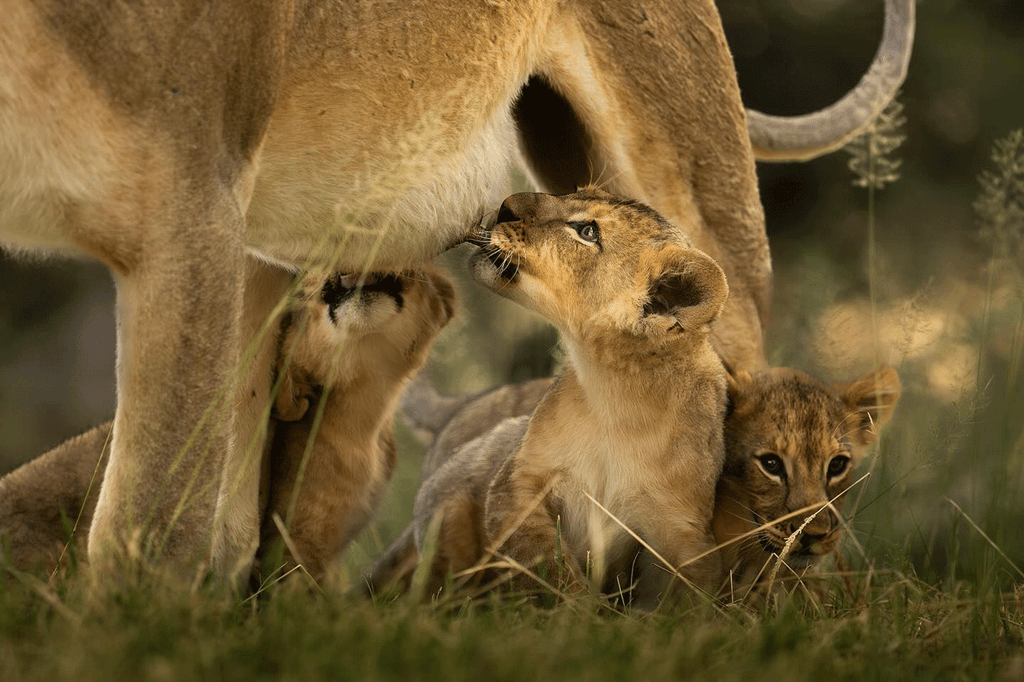
Choosing the right time for your Serengeti safari depends on the wildlife experiences you want, your travel budget and how you prefer to explore the park. Instead of choosing dates based only on the Great Wildebeest Migration, consider the season, the regions you want to visit and the amount of time you have available.
If you want to experience the wildebeest calving season, plan your safari between January and March. The southern Serengeti plains and nearby Ndutu area are important locations during this period, with February generally offering the peak calving experience.
For possible Mara River crossings, consider travelling between July and October and staying in the Northern Serengeti, particularly around Kogatende or Lamai. If you prefer to follow the herds through the Western Corridor and around the Grumeti River, consider May to July. Remember that rainfall influences migration movements, so river crossings cannot be guaranteed.
If your priority is general wildlife viewing and big cats, Central Serengeti is a strong choice throughout the year. The Seronera area supports resident lions, leopards, cheetahs and other wildlife, making it rewarding even when the migrating herds move elsewhere.
Travellers who prefer greener landscapes, birdwatching and potentially quieter safari conditions can consider the green season. November to March offers changing scenery and seasonal wildlife experiences, while April and May bring heavier rainfall that may affect some roads and camp operations.
Your budget should also influence your decision. June to October and the main calving period can attract high demand in popular safari areas. April and May may offer lower accommodation rates, although rain and seasonal camp closures require careful planning.
Before choosing your dates, consider how many days you can spend in the Serengeti. A longer safari gives you more time to explore different regions and follow wildlife movements without rushing between destinations. Choose accommodation close to your main wildlife-viewing area to spend less time driving between camps and game-drive locations.
Ultimately, the right time for your Serengeti safari is the period that matches your expectations. Whether you want to see newborn wildebeest calves, follow migrating herds, look for big cats or enjoy the green-season scenery, planning around your preferred experience will help you make the most of your visit.
Frequently Asked Questions About the Best Time to Visit Serengeti
What is the best month to visit Serengeti National Park?
July to September offers excellent dry-season wildlife viewing, while February is ideal for experiencing the wildebeest calving season. The best month depends on your safari interests.
What is the best time to see the Great Migration in Serengeti?
January to March is best for calving season, May to July for the Western Corridor and Grumeti region, and July to October for possible Mara River crossings in Northern Serengeti.
When is the wildebeest calving season in Serengeti?
The calving season generally takes place from January to March, with February usually representing the peak period around the southern Serengeti plains and Ndutu.
When can you see Mara River crossings?
Mara River crossings are possible from July to October in Northern Serengeti. However, rainfall and herd movements determine when crossings happen, so sightings are never guaranteed.
Is Serengeti better in the dry season or green season?
The dry season from June to October generally offers easier wildlife viewing. The green season from November to May provides lush scenery, seasonal birdlife and opportunities to experience calving season.
Can you visit Serengeti during the rainy season?
Yes. Serengeti remains open for safaris during the rainy season. April and May bring heavier rainfall, which can affect road conditions and some seasonal camps.
Which month has fewer tourists in Serengeti?
April and May generally attract fewer visitors because of the long rains. These months may also offer lower accommodation rates, depending on the camp.
Plan Your Serengeti Safari
The best Serengeti safari starts with choosing the right travel month, wildlife experience and location to stay. Decide whether you want to see the wildebeest calving season, follow the Great Migration, enjoy general wildlife viewing or explore the park during the quieter green season.
Before booking, consider how many days you can spend in the park and choose accommodation close to the areas you want to explore. If you plan to follow the Great Migration, allow flexibility because the herds move according to rainfall and fresh grazing.
You can combine Serengeti with other northern Tanzania destinations, such as Tarangire National Park, Ngorongoro Crater and Lake Manyara National Park, to experience different landscapes and wildlife habitats during one safari.
Ready to plan your Serengeti safari? Contact our team to discuss your travel dates, preferred wildlife experiences and budget. We can help you choose a suitable itinerary and plan a safari around the season you want to experience.