 English
 Deutsch
 Italia
November 13, 2026
Ndutu Wildebeest Migration: A Complete Guide to Tanzania’s Calving Season
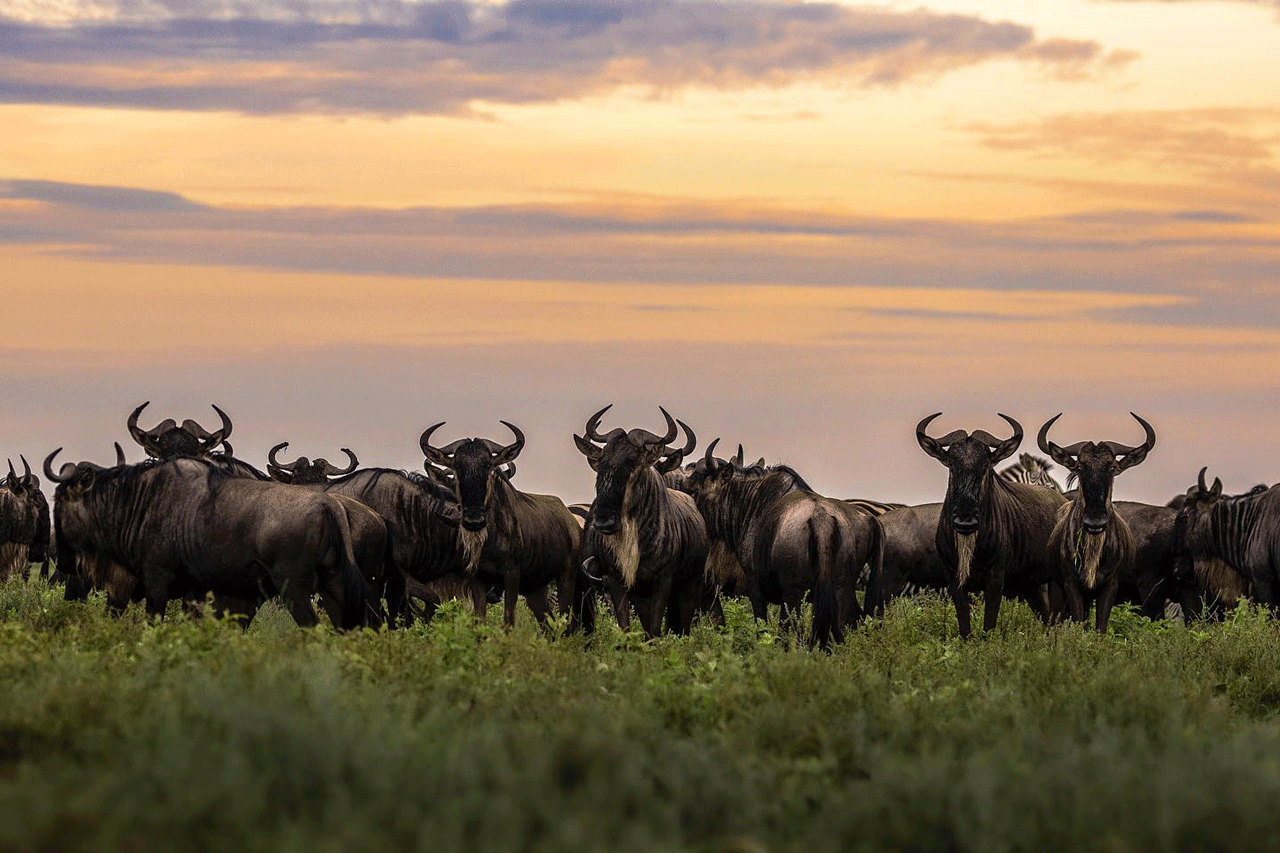
The Ndutu wildebeest migration is one of the most remarkable stages of the Great Migration in Tanzania, when vast herds of wildebeest gather across the southern Serengeti ecosystem to give birth. Located within the Ngorongoro Conservation Area, the Ndutu region offers some of the best opportunities to witness the annual calving season, particularly during January and February. During these months, thousands of wildebeest calves arrive across the open grasslands, while lions, cheetahs, hyenas and other predators search for opportunities around the herds.
The calving season forms part of the Great Migration’s annual movement through the Serengeti ecosystem. Rainfall and fresh grazing influence when the herds reach Ndutu, how long they remain and when they begin moving towards other parts of the Serengeti. Understanding these seasonal movements helps travellers choose the right time, location and safari experience for their visit. This guide explores the Ndutu migration in detail, from wildebeest births and predator activity to wildlife-viewing areas, accommodation and practical safari planning.
Table of contents
- Understanding the Great Migration in Ndutu
- Inside the Wildebeest Calving Season
- When to Visit Ndutu for the Great Migration
- What Makes a Ndutu Migration Safari Different?
- Planning Your Ndutu Wildebeest Migration Safari
- Ndutu Calving Season vs Other Great Migration Experiences
- Frequently Asked Questions About the Ndutu Migration
- Conclusion: Experience the Ndutu Wildebeest Migration
Understanding the Great Migration in Ndutu
What Is the Ndutu Wildebeest Migration?
The Ndutu wildebeest migration is the seasonal gathering of thousands of wildebeest across the southern Serengeti ecosystem, where the herds arrive to feed, breed and give birth. This movement forms part of the Great Migration, the annual journey of wildebeest, zebras and other grazing animals across Tanzania’s Serengeti ecosystem in search of fresh grass and water.
Ndutu becomes a major centre of activity during the calving season, especially from January to February. During this period, large herds spread across the short-grass plains, and thousands of wildebeest calves are born within a relatively short time. Their presence also attracts predators such as lions, cheetahs and hyenas, creating opportunities to observe different aspects of wildlife behaviour.
Unlike a separate migration, the Ndutu migration represents one important stage of the wider Great Migration. The herds move into the southern plains when seasonal rainfall encourages fresh grass growth, making the region an important feeding and breeding area. Their location and numbers change throughout the season as rainfall and grazing conditions influence their movement.
Where Is Ndutu Located in Tanzania?
Ndutu lies in northern Tanzania, within the Ngorongoro Conservation Area and the southern part of the wider Serengeti ecosystem. The region sits near the boundary of Serengeti National Park, around Lake Ndutu and Lake Masek. Its location connects the open southern Serengeti plains with the Ngorongoro landscape.
The Ndutu landscape includes wide grasslands, seasonal lakes, marshes and patches of woodland. These different habitats support a variety of wildlife throughout the year, but the short-grass plains become particularly important when the Great Migration herds arrive during the calving season.
Travellers usually reach Ndutu by road from Arusha, travelling through the Ngorongoro Conservation Area towards the southern plains. The journey takes several hours, depending on the route, road conditions and destination within the Ndutu region. Its position also makes Ndutu a useful stop on a northern Tanzania safari that includes Ngorongoro Crater and Serengeti National Park.
How Does Ndutu Fit into the Great Migration?
Ndutu forms an important seasonal stage of the Great Migration’s annual cycle. After moving through the northern and central parts of the Serengeti ecosystem during other periods of the year, large herds travel towards the southern plains as seasonal rains create fresh grazing.
From around December, wildebeest herds begin gathering across the southern Serengeti and Ndutu areas. Their numbers often increase during January and February, when the calving season reaches its busiest period. As the season progresses, changing rainfall and grazing conditions influence the herds’ movement towards the western and central Serengeti.
This seasonal journey does not follow an exact calendar. Rainfall varies from year to year, so the timing and location of the herds can change. Ndutu therefore represents one major wildlife-viewing area within a much larger migration route rather than a fixed destination where the herds remain throughout the year.
Why Do Wildebeest Gather on the Ndutu Plains?
Wildebeest gather on the Ndutu plains because seasonal rainfall produces fresh, nutrient-rich short grass that supports pregnant females and their newborn calves. The southern Serengeti plains contain soils influenced by volcanic ash, which help support grasses with important minerals, including calcium and phosphorus.
These grasslands provide valuable grazing during late pregnancy and the calving season. Female wildebeest can feed across open plains while large herds spread over the landscape. The open terrain also allows them to spot approaching predators more easily, although it does not remove the danger.
The concentration of wildebeest creates a major food source for predators such as lions, cheetahs and hyenas. It also attracts other grazing animals, including zebras and Thomson’s gazelles. This combination of fresh grazing, suitable calving habitat and abundant wildlife makes Ndutu one of the most important areas to experience the Great Migration during Tanzania’s calving season.
Inside the Wildebeest Calving Season
Why Do Wildebeest Choose Ndutu to Give Birth?
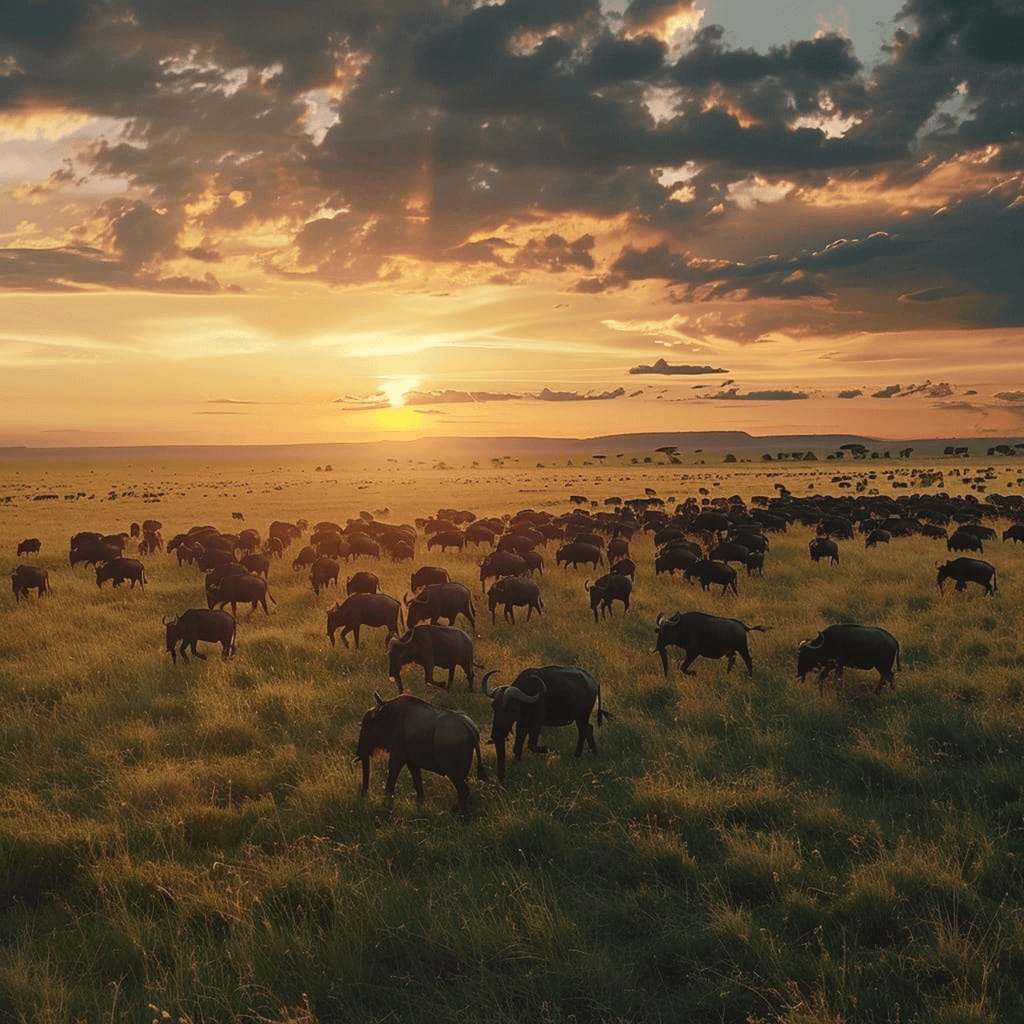
Wildebeest gather in Ndutu and the southern Serengeti to give birth because the seasonal rains encourage fresh grass growth across the short-grass plains. This nutritious grazing provides important food for pregnant females and helps mothers maintain their energy while producing milk for their calves.
The open plains also offer suitable conditions for calving. Short vegetation gives newborn calves space to move and allows mothers to watch for approaching predators. Seasonal water sources and the availability of grazing help support large herds during this demanding period.
Another important advantage comes from the timing of births. Many wildebeest give birth within a relatively short period, creating a large number of newborn calves across the plains. This concentration helps reduce the risk to individual calves because predators cannot hunt every newborn at once. Scientists describe this survival strategy as predator swamping.
Ndutu therefore offers more than a place for wildebeest to give birth. Its seasonal grasslands, water sources and open landscape create favourable conditions for mothers and calves during one of the most important stages of the Great Migration.
How Many Wildebeest Calves Are Born Each Year?
Nearly 500,000 wildebeest calves are estimated to be born within roughly three weeks during the main calving peak across the wider Serengeti-Mara migration population. This remarkable concentration of births makes the calving season one of the most significant wildlife events in Tanzania.
The figure refers to the wider migrating wildebeest population, not Ndutu alone. Many births take place across the southern Serengeti ecosystem, including the Ndutu plains and surrounding calving areas. The number of calves born in a particular location changes with rainfall, grazing conditions and the movement of the herds.
Most births occur during the main calving period, particularly around February, although wildebeest give birth across a broader seasonal window. This synchronised timing increases the number of vulnerable newborns available to predators at once, but it also improves the chances that individual calves survive by overwhelming predators with the sheer number of births.
What Happens When Wildebeest Calves Are Born?
A newborn wildebeest enters a demanding environment where it must become mobile quickly to remain with its mother and the moving herd. Shortly after birth, the mother cleans her calf and encourages it to stand. The calf makes several attempts to get onto its feet before learning to walk and follow her.
The first hours bring important challenges. A calf must recognise and stay close to its mother, begin suckling and develop the strength to move with the herd. Mothers remain attentive to their young, while the surrounding herd continues to feed and move across the plains.
Predators also take advantage of the abundance of newborn animals. Lions, hyenas, cheetahs and other carnivores may hunt calves, particularly those that become separated from their mothers or struggle to keep up. This creates a natural struggle for survival, although many calves successfully join the herd and continue their journey.
For safari visitors, these moments can provide a rare opportunity to observe the early stages of wildebeest life. However, births and predator encounters happen naturally and cannot be predicted or guaranteed during a game drive.
How Do Newborn Calves Survive Their First Days?
Newborn wildebeest calves survive their first days through rapid physical development, close contact with their mothers and the protection that comes from moving in large herds. Unlike animals whose young remain hidden for long periods, wildebeest calves belong to a group known as follower species. They must stand, walk and follow their mothers soon after birth.
A healthy calf can often stand within minutes and begin following its mother shortly afterwards. It also needs to suckle early to receive its first milk, known as colostrum, which provides essential nutrients and antibodies that help support its early development.
Staying close to its mother is vital. The calf learns to recognise her and follows her movements as she feeds and travels with the herd. Large groups also offer a form of protection: when thousands of calves arrive within a short period, predators face many potential targets at once, reducing the pressure on any single newborn.
Survival is never guaranteed. Lions, hyenas, cheetahs and other predators may catch calves, while separation, exhaustion and other natural challenges can also threaten young animals. Those that remain strong, stay with their mothers and keep pace with the herd have a better chance of surviving their vulnerable first days.
When to Visit Ndutu for the Great Migration
The best time to visit Ndutu for the Great Migration is generally from December to March, with February offering the strongest opportunity to experience the wildebeest calving season. During these months, large herds gather across the southern Serengeti plains and the Ndutu area, where fresh grass supports pregnant females and newborn calves. The landscape changes throughout the season, so each month offers a different wildlife experience.
Rainfall plays an important role in determining when the herds arrive, where they gather and when they begin moving away. The monthly periods below describe the usual migration pattern and can vary from one year to another.
December: Wildebeest Herds Gather in the Southern Plains
December marks the beginning of the main wildebeest gathering across the southern Serengeti and Ndutu plains. Following the seasonal short rains, fresh grass begins to grow across the open grasslands, attracting large herds as they move south from other parts of the ecosystem.
Many female wildebeest reach the southern plains heavily pregnant during this period. They spend time feeding and building energy before giving birth, while zebras and other grazing animals also gather in the area. Although some calves may arrive towards the end of the month, December generally offers more opportunities to see large herds feeding across the green plains than to witness the peak of calving.
For visitors, December provides an opportunity to experience the early stages of the calving season. The landscape often looks green after the rains, and the growing concentration of wildlife creates excellent conditions for game viewing.
January: The Calving Season Gets Underway
January brings increasing calving activity across Ndutu and the surrounding southern Serengeti plains. Large herds continue feeding on fresh grass, and more wildebeest females begin giving birth as the main breeding cycle reaches its peak period.
Newborn calves become a common sight across the plains. Many can stand and follow their mothers shortly after birth, allowing them to move with the herds while feeding and resting. Predators such as lions, cheetahs and hyenas also remain active around the migration, taking advantage of the growing number of young animals.
January offers a combination of large migrating herds, newborn calves and active predators. However, the number of births increases as the season progresses, making February particularly important for travellers whose main interest is witnessing the calving peak.
February: The Peak of Wildebeest Calving
February is generally the best month to experience the wildebeest calving season in Ndutu. Large numbers of females give birth across the southern short-grass plains, with hundreds of thousands of calves estimated to arrive across the wider Serengeti-Mara migration population during the main birthing period.
The concentration of newborn calves creates a remarkable wildlife spectacle. Mothers stay close to their young as the herds feed and move across the plains, while predators such as lions, cheetahs and spotted hyenas search for hunting opportunities. These interactions form a natural part of the ecosystem and can sometimes be observed during game drives.
The open grasslands make it possible to see large herds spread across the landscape, although wildlife locations change throughout the day. February is particularly attractive to photographers and visitors interested in animal behaviour, newborn wildlife and predator activity. Births and hunting encounters remain natural events, so no particular sighting is guaranteed.
March: Migration Herds Begin Responding to Rainfall
March is a transitional month in Ndutu as the calving season continues and wildebeest herds gradually spread across the southern and western plains. Some females still give birth, while many calves born earlier in the season have become stronger and can move more confidently with their mothers.
The long rains usually become more established around this period, influencing grass growth, water availability and the movement of grazing animals. Instead of remaining concentrated in one area, herds may spread over a wider part of the southern Serengeti ecosystem as they search for suitable grazing.
March can offer excellent opportunities to see wildebeest, zebras and predators against a greener landscape. However, rainfall may affect road conditions and make some tracks more difficult to use. Visitors should also expect the herds to move between different grazing areas rather than gather in one predictable location.
April: The Seasonal Movement Towards the North
April usually marks the gradual transition from the southern plains towards the central and western parts of the Serengeti. As rainfall and grazing conditions change, wildebeest herds begin moving away from some of their main calving areas in search of fresh pasture elsewhere in the ecosystem.
The movement does not happen all at once. Some herds may remain around Ndutu and the southern plains, while others begin travelling north-west towards areas such as Moru and the central Serengeti. Zebras and gazelles may accompany the migrating wildebeest, creating long lines of animals moving across the landscape.
April offers a different migration experience from the peak calving months. Visitors may see herds travelling through green grasslands, seasonal water sources and open plains, although longer grass and rainfall can sometimes make wildlife harder to locate. Road conditions may also become more challenging during periods of heavy rain.
For travellers whose main priority is seeing large numbers of newborn wildebeest, January and February are generally stronger choices. Those interested in the changing movement of the herds may also consider March and April, when the migration begins its seasonal transition towards other parts of the Serengeti.
What Makes a Ndutu Migration Safari Different?
Watching Newborn Wildebeest on the Plains
One of the most memorable experiences during a Ndutu migration safari is watching newborn wildebeest take their first steps across the short-grass plains. During the calving season, particularly in January and February, large numbers of females give birth across the southern Serengeti ecosystem. Their calves must stand, recognise their mothers and begin following the herd soon after birth.
Visitors may see mothers protecting their young, calves resting beside them or small groups moving together across the grasslands. Some newborns still struggle to keep up, while older calves gain confidence as they follow their mothers around the feeding areas.
Unlike a wildlife experience focused mainly on migration movement, Ndutu offers an opportunity to observe the early stages of an animal’s life. Births happen naturally and at unpredictable times, so visitors should not expect to witness an actual delivery. However, the presence of newborn calves makes the calving season especially rewarding for anyone interested in wildlife behaviour.
Observing Predator and Prey Interactions
The concentration of wildebeest during the calving season attracts predators to the Ndutu plains. Lions, cheetahs, spotted hyenas and other carnivores search the grasslands for hunting opportunities, creating a dynamic relationship between predator and prey.
During a game drive, visitors may observe lions resting near a herd, cheetahs scanning the open plains or hyenas moving through areas where wildebeest gather. These sightings reveal how predators use different hunting strategies depending on the terrain, available cover and behaviour of their prey.
The presence of newborn calves increases predator activity because young animals face greater risks than healthy adults. However, predators do not hunt continuously, and their behaviour changes throughout the day. Some sightings involve resting, social interaction or territorial behaviour rather than hunting.
This natural balance makes Ndutu particularly interesting for visitors who want to understand how the Great Migration supports the wider Serengeti ecosystem. Hunting encounters can happen, but no safari can guarantee a kill or a specific predator sighting.
Photography Opportunities During the Calving Season
Ndutu offers excellent opportunities for wildlife photography, especially during the calving season when large herds, newborn calves and predators share the open grasslands. The short vegetation often provides clear views of animals, while the changing light across the plains creates different photographic conditions throughout the day.
Photographers can focus on several subjects, including close-up portraits of wildebeest calves, mothers feeding their young, large herds moving across the landscape and predators watching from the grass. Zebras, gazelles and a variety of bird species also add diversity to the photographic experience.
Early morning and late afternoon often provide softer natural light and attractive conditions for wildlife photography. During these hours, animals may also become more active, although sightings depend on their natural behaviour and weather conditions.
A camera with a telephoto lens helps capture distant wildlife without disturbing animals. Visitors should also bring spare batteries, memory cards and protection for camera equipment against dust and occasional rain. Responsible photography matters throughout the experience: maintain a respectful distance, avoid blocking animal movements and follow the guide’s instructions.
What to Expect on a Typical Ndutu Game Drive
A typical Ndutu game drive involves travelling across open grasslands, seasonal lakes, woodland areas and other habitats to locate wildlife. The experience usually begins early in the morning, when cooler temperatures and soft light create favourable conditions for observing animals.
During the drive, the guide looks for migration herds, newborn calves, predators and other wildlife. The route may change depending on recent rainfall, animal movements and information about sightings in different parts of the Ndutu region. Rather than following one fixed track, the guide adjusts the drive to explore areas with suitable wildlife-viewing opportunities.
A full-day game drive may include a packed picnic lunch at a designated location, allowing visitors to spend more time exploring the region without returning to camp during the middle of the day. Alternatively, some visitors prefer separate morning and afternoon drives with time to rest between outings.
Wildlife sightings can change quickly. A quiet stretch of grassland may lead to an unexpected encounter with a herd of wildebeest, a resting lion or a cheetah moving through the plains. Patience, careful observation and flexibility are important parts of the experience.
Visitors should prepare for several hours on uneven safari roads, changing weather and periods of slow driving while observing animals. The greatest reward comes from experiencing the natural rhythm of Ndutu rather than expecting every game drive to produce a dramatic sighting.
Planning Your Ndutu Wildebeest Migration Safari
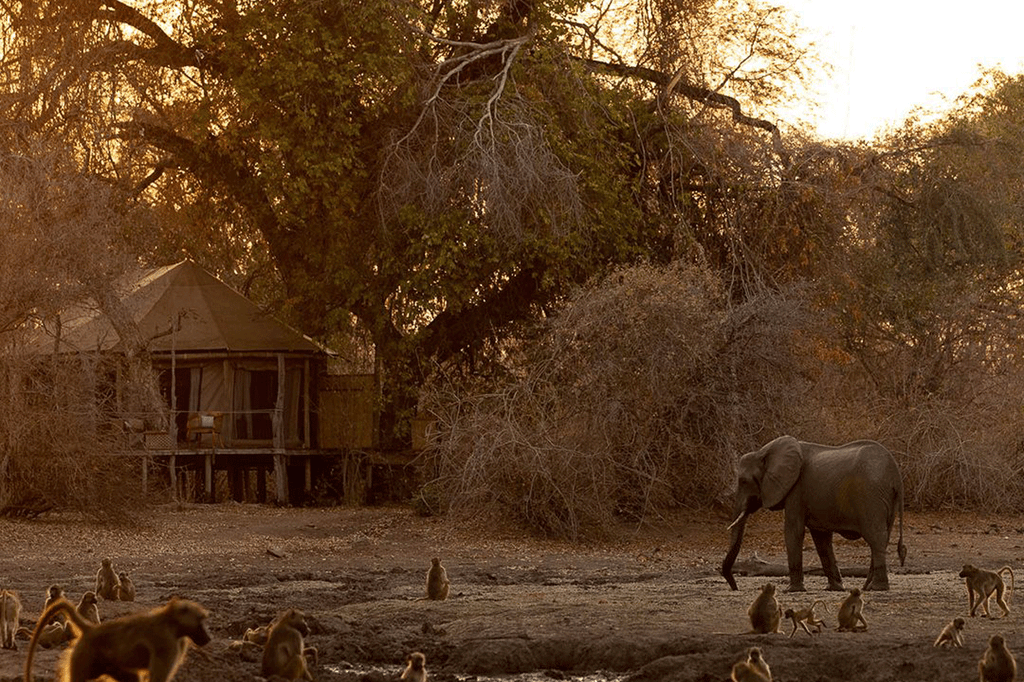
Planning a Ndutu wildebeest migration safari involves choosing the right travel dates, allowing enough time for wildlife viewing and selecting accommodation close to the seasonal herds. Most visitors plan their trip between December and March, with January and February attracting particular interest during the main calving season. Your budget, preferred accommodation and choice of transport also influence how you organise the safari.
How Many Days Should You Spend in Ndutu?
A stay of three days is a good starting point for a Ndutu migration safari, while four or five days allow more time to explore different wildlife-viewing areas. The extra time matters because wildebeest herds move across the southern Serengeti ecosystem, and their location can change with rainfall and grazing conditions.
With two days, visitors can enjoy morning and afternoon game drives and explore the main areas around Ndutu. However, a short visit gives less flexibility if the herds move away from the locations explored on the first day.
Three days provide a better balance, allowing time to visit the short-grass plains, seasonal lakes and surrounding wildlife habitats. A longer stay offers further opportunities to observe newborn calves, predators, grazing herds and other wildlife without rushing between locations.
Travellers visiting specifically for the February calving peak may benefit from spending at least three nights in the region. This gives them several game drives to explore different areas and follow changing wildlife activity.
Where to Stay During the Calving Season
Accommodation around Ndutu includes permanent safari lodges, seasonal tented camps and mobile camps that operate during the migration period. The right choice depends on your budget, preferred level of comfort and how close you want to stay to the main wildlife-viewing areas.
Permanent lodges provide established accommodation with facilities such as private rooms, restaurants and comfortable communal spaces. Seasonal tented camps offer a closer connection to the surrounding landscape, combining canvas accommodation with safari facilities. Some camps operate only during the migration season, particularly from around December to March or April.
Location is an important consideration when choosing where to stay. Accommodation around Ndutu and the southern plains can reduce the time spent travelling to wildlife-viewing areas during the calving season. Some properties also sit within different administrative areas, so travellers should check their location and the applicable conservation or park fees when comparing options.
The calving season attracts many visitors, especially in January and February. Booking accommodation early helps secure a suitable location, room category and travel dates.
How to Get to Ndutu from Arusha
Travellers can reach Ndutu from Arusha by road or domestic flight. Road travel offers a chance to experience northern Tanzania’s changing landscapes, while flying provides a faster connection to the southern Serengeti region.
By road, the journey usually takes around five to seven hours, depending on the route, road conditions, weather and final accommodation location. The drive generally passes through the Ngorongoro Conservation Area before reaching the Ndutu plains. Travellers use a suitable four-wheel-drive safari vehicle because several sections of the journey follow gravel or rough seasonal roads.
Another option is to take a domestic flight from Arusha to Ndutu Airstrip. Flight availability depends on the season and airline schedule, and visitors need a vehicle transfer from the airstrip to their accommodation. Flying saves considerable road travel time, although luggage restrictions and additional flight costs should form part of the travel budget.
The best transport option depends on your itinerary. Road travel works well for visitors combining Ndutu with Ngorongoro Crater and other northern circuit destinations. Flying can suit travellers with limited time or those who prefer to spend more of their trip exploring the wildlife areas.
What Does a Ndutu Migration Safari Cost?
The cost of a Ndutu migration safari depends on the number of days, accommodation category, group size, transport arrangements and travel season. A budget camping safari generally costs less than a trip using luxury tented camps or high-end lodges, while private safaris usually cost more per person than shared group trips.
Several components determine the final safari price. These include accommodation, meals, a safari vehicle, a professional driver-guide, fuel, conservation and park fees, and any airport transfers or domestic flights. The itinerary also matters because visiting other destinations, such as Ngorongoro Crater or Serengeti National Park, can add separate fees and transport costs.
Group size can make a significant difference. When several travellers share a safari vehicle and other operating expenses, the cost per person may decrease. Private travellers have more flexibility over departure times and game drives but usually pay a higher individual rate.
Travel dates also influence accommodation availability and pricing. January and February attract strong demand because of the calving season, so visitors should compare accommodation options and confirm what each quotation includes before making a booking.
For an accurate estimate, compare the total package price rather than looking only at the advertised daily rate. Check whether the quotation includes accommodation, meals, park and conservation fees, transport, guide services and game drives. This makes it easier to understand the actual cost of a Ndutu migration safari and compare different travel arrangements fairly.
What to Pack for a Ndutu Safari
Packing for a Ndutu safari requires preparation for warm daytime conditions, cooler early mornings and evenings, occasional rain and dusty roads. The weather can change during the calving season, so comfortable clothing and practical travel equipment make game drives more enjoyable.
Lightweight, breathable clothing in neutral colours such as khaki, brown, olive and beige works well for daytime game drives. Bring a warm fleece or jacket for early morning departures, along with long trousers, comfortable walking shoes and a hat. A lightweight waterproof jacket or raincoat is useful during the rainy months.
Binoculars help you observe distant animals, especially predators and birds across the open plains. If you enjoy wildlife photography, bring a camera with a suitable telephoto lens, spare batteries, extra memory cards and a protective camera bag. A small daypack keeps personal items organised during game drives.
Other useful essentials include sunscreen, sunglasses, insect repellent, personal medication, hand sanitiser and a reusable water bottle. Keep important travel documents and valuables secure, and follow your guide’s advice about carrying and using equipment around wildlife.
Pack with the season and your accommodation in mind. A mobile tented camp may offer different facilities from a permanent lodge, so confirm what the accommodation provides before deciding which personal items to bring.
Ndutu Calving Season vs Other Great Migration Experiences
The Great Migration offers different wildlife experiences as the herds move through the Serengeti ecosystem. Ndutu is famous for the wildebeest calving season, the Northern Serengeti attracts visitors hoping to witness Mara River crossings, and Central Serengeti offers excellent game viewing throughout the year. Each area has its own landscapes, wildlife highlights and best visiting periods. Understanding these differences helps you choose the right destination for your safari.
Ndutu Calving Season vs Mara River Crossings
Ndutu and the Mara River offer two very different stages of the Great Migration. The southern plains of Ndutu are famous for the calving season, when large wildebeest herds gather and thousands of calves are born. In contrast, the northern Serengeti and Mara River are known for dramatic river crossings, as migrating herds attempt to cross crocodile-filled waters while moving between Tanzania and Kenya.
During this season, visitors can watch newborn calves take their first steps, follow their mothers across the grasslands and move with the herds. Lions, cheetahs, hyenas and other predators also follow the migrating animals, creating opportunities to observe natural predator-prey behaviour.
The Mara River crossing experience takes place much farther north, mainly around the Northern Serengeti near Kogatende and the Mara River. From around July to October, migrating wildebeest may gather along the riverbanks before attempting to cross into Kenya’s Maasai Mara ecosystem. These crossings can involve strong currents, steep riverbanks and crocodiles, making them one of the most dramatic migration events.
However, river crossings do not follow a fixed schedule. Herds may wait for hours or days before entering the water, and some groups cross at different locations. Spending several nights in the Northern Serengeti can improve your opportunities, but no visit guarantees a crossing.
Choose Ndutu if you want to see newborn wildebeest, large herds on open plains and the wildlife activity surrounding the calving season. Choose the Northern Serengeti if your main interest is the possibility of witnessing wildebeest crossing the Mara River.
Ndutu vs Central Serengeti
Ndutu and Central Serengeti both offer excellent wildlife viewing, but each area has different attractions. Located within the Ngorongoro Conservation Area, Ndutu is especially famous for the wildebeest calving season, when large herds gather across the southern plains. By comparison, Central Serengeti, including the Seronera Valley, lies inside Serengeti National Park and offers year-round wildlife viewing, with resident lions, leopards, elephants and other animals.
Ndutu stands out during the calving season, especially from January to March. Its open short-grass plains attract large herds of wildebeest and zebras, while seasonal lakes and surrounding woodland provide different habitats for wildlife. The open landscape also creates good opportunities to observe and photograph animals across the plains.
Central Serengeti offers a more varied, year-round safari experience. The Seronera Valley has rivers, kopjes, grasslands and woodland that support lions, leopards, elephants, giraffes, buffalo and many other species. Its resident wildlife makes it a strong choice even when the main migration herds move into other parts of the ecosystem.
The Great Migration also passes through Central Serengeti during parts of the year, although the timing and size of the herds vary with rainfall and grazing conditions. This makes the region useful for visitors who want to combine migration viewing with general wildlife experiences.
Choose Ndutu if you are travelling during the calving season and want to focus on newborn wildebeest and the large southern herds. Choose Central Serengeti if you prefer a broader wildlife experience, want opportunities to see resident big cats and other animals, or plan to visit outside the main calving period.
Which Great Migration Experience Should You Choose?
The right Great Migration safari depends on your travel dates and the wildlife experience you want most. Rather than choosing a destination based only on its reputation, match the region to the season and allow enough time to explore its wildlife areas.
If you want to see wildebeest giving birth and newborn calves moving across the plains, choose Ndutu and the Southern Serengeti between January and March. February is generally the strongest month for calving, although rainfall can influence the timing and distribution of the herds.
If witnessing a possible Mara River crossing is your main goal, plan a visit to the Northern Serengeti between July and October. Stay near the relevant migration area for several nights because the herds can change location and river crossings remain unpredictable.
If you want excellent general wildlife viewing throughout the year, consider Central Serengeti. The Seronera Valley offers resident wildlife, strong predator-viewing opportunities and access to different parts of the national park. It also works well as part of a longer itinerary that combines several Serengeti regions.
You do not always have to choose only one area. A longer safari can combine Ndutu with Central Serengeti or other parts of the Northern Circuit, depending on your travel dates and available time. The most important decision is to plan around the seasonal movement of the herds rather than expect the entire Great Migration to remain in one location.
Frequently Asked Questions About the Ndutu Migration
When is the best time to see the Ndutu wildebeest migration?
January to March is generally the best period to visit Ndutu, with February often offering the peak calving activity. Rainfall can change the timing and location of the herds.
Where is Ndutu located?
Ndutu lies in the Ngorongoro Conservation Area in northern Tanzania, within the southern Serengeti ecosystem. It includes open grasslands, seasonal lakes and woodland habitats.
How many wildebeest calves are born in Ndutu?
There is no reliable fixed figure for Ndutu alone. Estimates of nearly 500,000 calves refer to the wider Serengeti-Mara migration population during the peak calving period, not just the Ndutu plains.
Can you see predators during the calving season?
Yes. Lions, cheetahs, hyenas and other predators hunt around the migration herds. However, predator sightings and hunting events depend on wildlife movements and cannot be guaranteed.
How many days do you need for a Ndutu safari?
Three days provide a good introduction to Ndutu. Four or five days allow more time to explore different habitats and follow changing herd locations.
Is Ndutu part of Serengeti National Park?
No. Ndutu lies within the Ngorongoro Conservation Area, close to the Serengeti National Park boundary. Both areas form part of the wider Serengeti ecosystem.
Can you visit Ndutu outside the calving season?
Yes. You can visit throughout the year, but the large wildebeest herds move seasonally. Wildlife viewing changes with rainfall, grazing and animal movements.
Conclusion: Experience the Ndutu Wildebeest Migration
The Ndutu wildebeest migration offers one of Tanzania’s most remarkable wildlife experiences, especially during the calving season from January to March. The southern plains come alive with large herds, newborn calves and predators moving through the grasslands. February usually provides the best opportunity to experience peak calving activity, although rainfall influences where the animals gather.
Planning your visit around the seasonal movement of the herds helps you make the most of your safari. Allow enough days to explore Ndutu’s different habitats, follow recent wildlife sightings and enjoy the experience without expecting every wildlife encounter to happen on schedule. Whether you want to photograph newborn wildebeest, observe predator behaviour or witness the scale of the Great Migration, Ndutu offers a memorable journey into Tanzania’s wild landscapes.
Trusted Sources and Further Reading
For additional context on the wider Serengeti ecosystem and the seasonal movement of wildlife, consult these independent references: