
Serengeti Majestic Wildlife
The Serengeti is one of the most famous wildlife destinations in the world and a true symbol of African wilderness. Located in northern Tanzania, Serengeti National Park is known for its endless plains, incredible biodiversity, and unforgettable safari experiences. Every year, thousands of travelers visit this remarkable ecosystem to witness some of the most spectacular wildlife scenes on Earth.
The Serengeti ecosystem is home to an extraordinary variety of African wildlife, including lions, elephants, leopards, cheetahs, giraffes, zebras, wildebeests, and hundreds of bird species. Its rich biodiversity and large populations of safari animals make it one of Africa’s greatest safari destinations. Visitors from around the world travel to Tanzania to experience the beauty of Serengeti wildlife and explore the natural habitats of some of the continent’s most iconic animals.
One of the most famous events in the Serengeti is the Great Wildebeest Migration, where millions of wildebeests, zebras, and gazelles move across the plains searching for fresh grazing land. This incredible movement attracts predators such as lions, hyenas, and crocodiles, creating dramatic wildlife encounters that make the Serengeti one of the best places for a Tanzania safari.
Beyond the migration, the Serengeti offers breathtaking landscapes, open savannahs, river systems, rocky kopjes, and diverse ecosystems that support wildlife throughout the year. Whether travelers are searching for the Big Five, rare safari animals, or unforgettable photography opportunities, the Serengeti provides one of the most authentic African safari experiences available today.
For wildlife lovers and adventure travelers, the Serengeti remains one of the most extraordinary places to explore African wildlife in its natural environment.
What Makes the Serengeti Famous for Wildlife?
The Serengeti is world-famous for its incredible wildlife because it offers one of the most complete and untouched natural ecosystems on Earth. It is a place where millions of animals live freely, migrate naturally, and interact in a balanced food chain. This makes it one of the top destinations for African wildlife viewing and Tanzania safari experiences. Inside Serengeti National Park, visitors can witness a unique combination of vast landscapes, large animal populations, and dramatic wildlife behavior that cannot be seen anywhere else in the world.
Why Are the Vast Ecosystem and Open Plains Important?
One of the main reasons the Serengeti is so famous is its vast and open landscape. The endless plains stretch far into the horizon, creating a natural stage where wildlife can be easily observed. These open grasslands allow animals to move freely and form large herds, especially during migration periods.
The wide ecosystem includes grasslands, woodlands, river valleys, and rocky areas. This variety of habitats supports different types of safari animals and ensures that wildlife can survive throughout the year. The open environment also makes it one of the best places in Africa for game viewing and photography.
How Does Biodiversity Make the Serengeti Special?
The Serengeti has extremely rich biodiversity, meaning it supports a large variety of plants and animals living together in balance. This diversity includes large mammals, predators, birds, reptiles, and insects, all playing important roles in the ecosystem.
Because of this biodiversity, visitors can see everything from elephants and giraffes to small antelopes and colorful bird species in one safari trip. This balance of life makes the Serengeti a stable and healthy ecosystem where different species depend on each other for survival.
Why Are Predator Populations So Important in the Serengeti?
The Serengeti is known for having one of the highest concentrations of predators in Africa. Lions, cheetahs, leopards, hyenas, and wild dogs all live in this ecosystem, creating constant wildlife interaction and survival competition.
These predators are important because they control herbivore populations and help maintain ecological balance. They also create dramatic safari moments, such as hunts and territorial behavior, which attract wildlife enthusiasts from around the world. The strong predator presence is one of the key reasons the Serengeti is considered a top safari destination.
What Makes the Great Migration So Famous?
The Great Migration is the most famous wildlife event in the Serengeti and one of the greatest natural spectacles in the world. Every year, millions of wildebeests, zebras, and gazelles move across the plains in search of fresh grass and water, following seasonal rainfall patterns.
This migration creates dramatic scenes, including river crossings filled with crocodiles and predator encounters along the route. It is a continuous cycle of survival that defines the Serengeti ecosystem and makes it one of the most exciting places for African wildlife viewing. The Great Migration is the main highlight for many visitors coming on a Tanzania safari, offering unforgettable experiences throughout the year.
Where Is the Serengeti Located?
The Serengeti is located in East Africa, mainly in northern Tanzania, and is one of the most famous wildlife ecosystems in the world. It is a vast protected area known for its endless plains, rich wildlife populations, and dramatic natural events such as the Great Migration. Inside Serengeti National Park, the landscape stretches across thousands of square kilometers, making it one of the largest and most important safari destinations in Africa.
What Is the Geography of the Serengeti?
The geography of the Serengeti is made up of wide open grasslands, rolling savannahs, river systems, rocky hills called kopjes, and scattered woodlands. These different landscapes create a perfect environment for a wide range of African wildlife to survive and thrive.
The open plains are especially important because they allow large herds of animals like wildebeests and zebras to move freely during migration. Rivers and water sources also attract predators and herbivores, creating active wildlife zones throughout the year. This variety of landforms makes the Serengeti one of the most visually stunning safari regions in the world.
Why Is the Serengeti Important in Northern Tanzania?
The Serengeti is a key part of northern Tanzania’s ecosystem and plays a major role in supporting wildlife conservation and tourism. It forms part of a larger network of protected areas that help preserve African wildlife for future generations.
This region is famous for its high concentration of safari animals, including the Big Five, large herbivore herds, and hundreds of bird species. The climate, rainfall patterns, and natural vegetation all support year-round wildlife activity, making it one of the best places for a Tanzania safari experience.
How Is the Serengeti Connected to Kenya’s Maasai Mara?
The Serengeti is directly connected to Kenya’s Maasai Mara ecosystem, forming one continuous wildlife migration corridor. This connection allows animals to move freely across the border between Tanzania and Kenya during the Great Migration.
Inside Kenya lies Maasai Mara National Reserve, which becomes a key destination for migrating herds, especially during river crossings at the Mara River. Together, the Serengeti and Maasai Mara form one of the most important and famous wildlife ecosystems in the world.
This connection is essential because it supports natural migration, predator-prey interactions, and long-term survival of African wildlife across both countries.
The Big Five Animals of the Serengeti
The Serengeti is one of the best places in Africa to see the famous Big Five animals, which include the lion, leopard, elephant, buffalo, and rhinoceros. These animals are called the Big Five because they are among the most powerful, iconic, and historically challenging animals to hunt on foot. Today, they are not hunted but are instead the main highlight for safari travelers who visit Africa to experience true African wildlife in its natural environment. Inside Serengeti National Park, these five animals represent the heart of a Tanzania safari experience and play an important role in maintaining ecological balance.
Why Are Lions the Kings of the Serengeti?
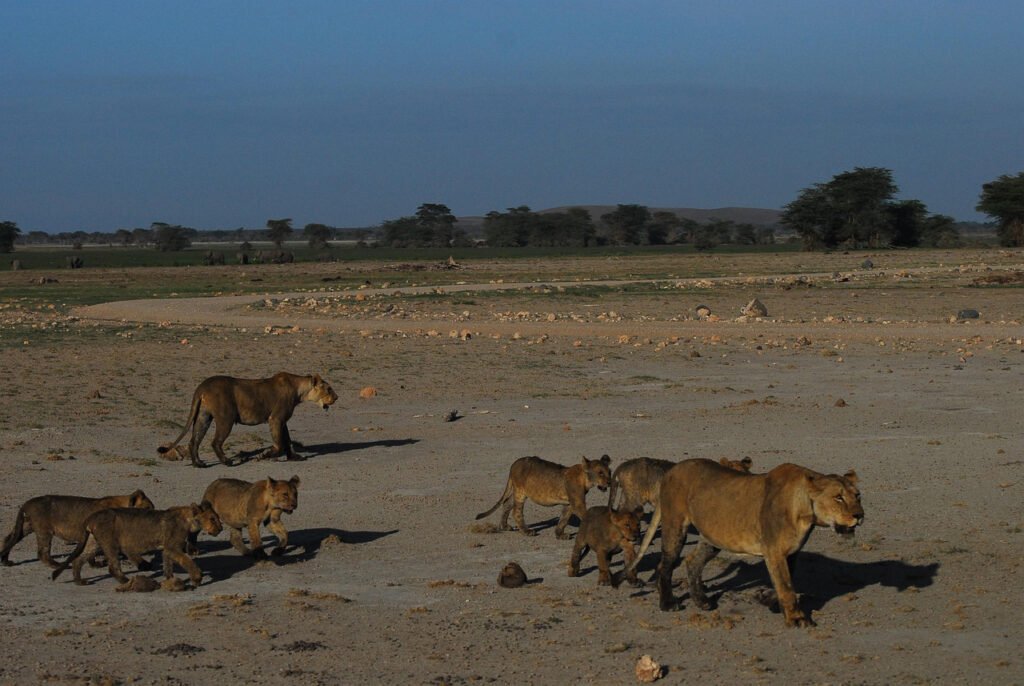
Lions are the most famous predators in the Serengeti and are often called the kings of African wildlife. They live in groups called prides, which helps them hunt large animals such as wildebeests, zebras, and buffalo. Lions are powerful, social, and highly strategic hunters that rely on teamwork to survive in the wild. They are often seen resting during the day and becoming more active in the cooler hours of morning and evening when hunting is easier.
Why Are Leopards So Hard to See in the Serengeti?
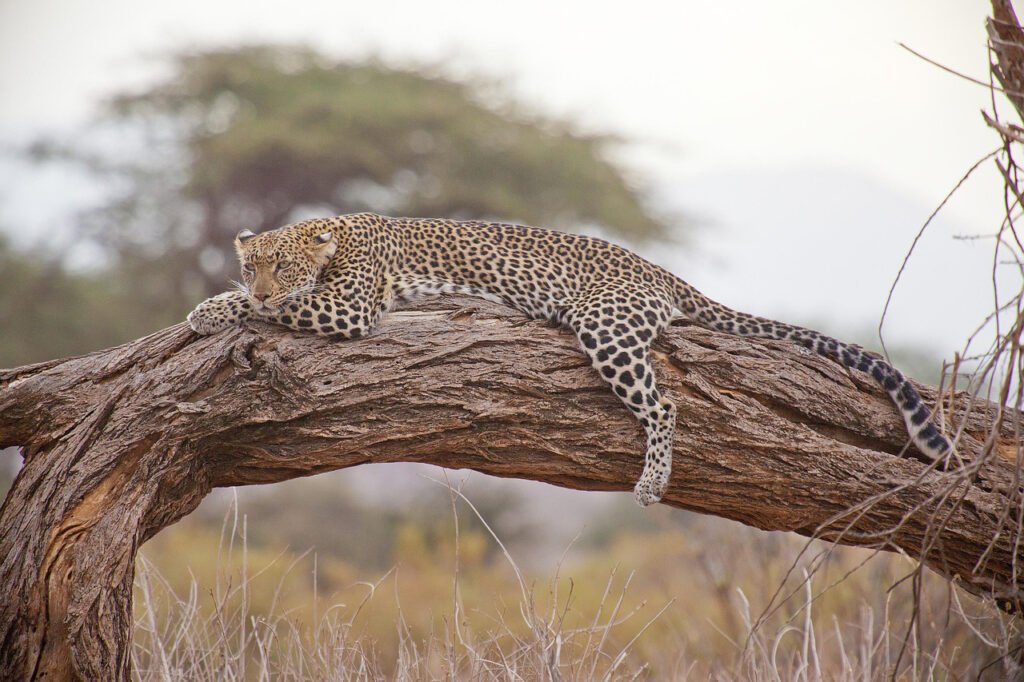
Leopards are solitary and secretive animals, making them one of the most difficult members of the Big Five to spot during a safari. They are excellent climbers and often drag their prey into trees to protect it from other predators. Leopards rely on stealth rather than speed or group hunting, and they are mostly active at night. Their beautiful spotted coat helps them blend into the environment, making sightings rare but very special for visitors.
Why Are Elephants Important in the Serengeti Ecosystem?
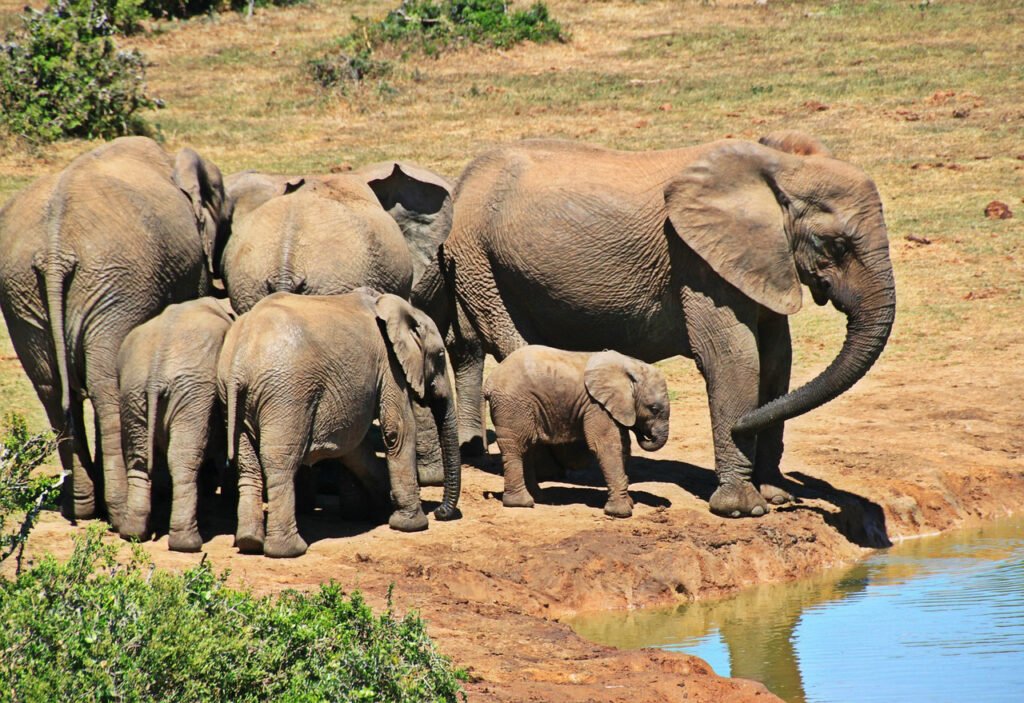
Elephants are the largest land animals in the Serengeti and play a major role in shaping the environment. They move in family groups led by a matriarch and travel long distances in search of food and water. Elephants help maintain the ecosystem by breaking trees, creating pathways, and spreading seeds through their dung. Their actions support other species and help maintain the balance of African wildlife.
Why Are Buffaloes Considered Dangerous and Powerful?
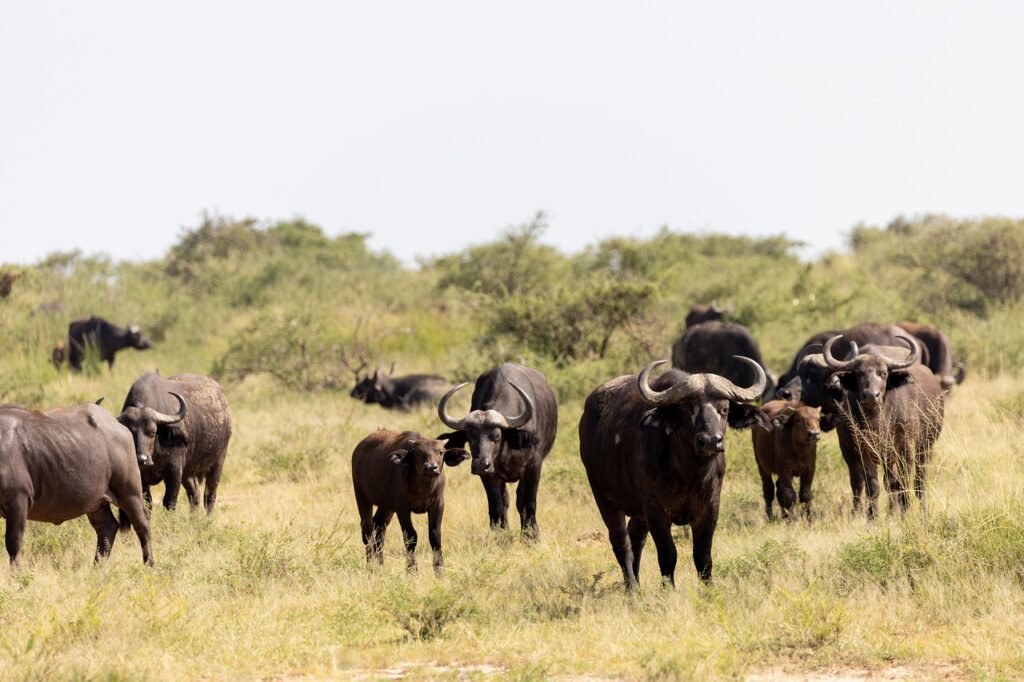
African buffaloes are strong, unpredictable animals that live in large herds. They are known for their powerful defense when threatened, especially when protecting their group from predators like lions. Buffaloes are important in the ecosystem because they are a major food source for large predators and help maintain grassland balance through grazing. Their strength and teamwork make them one of the most respected animals in the Serengeti.
Why Are Rhinoceroses So Rare in the Serengeti?
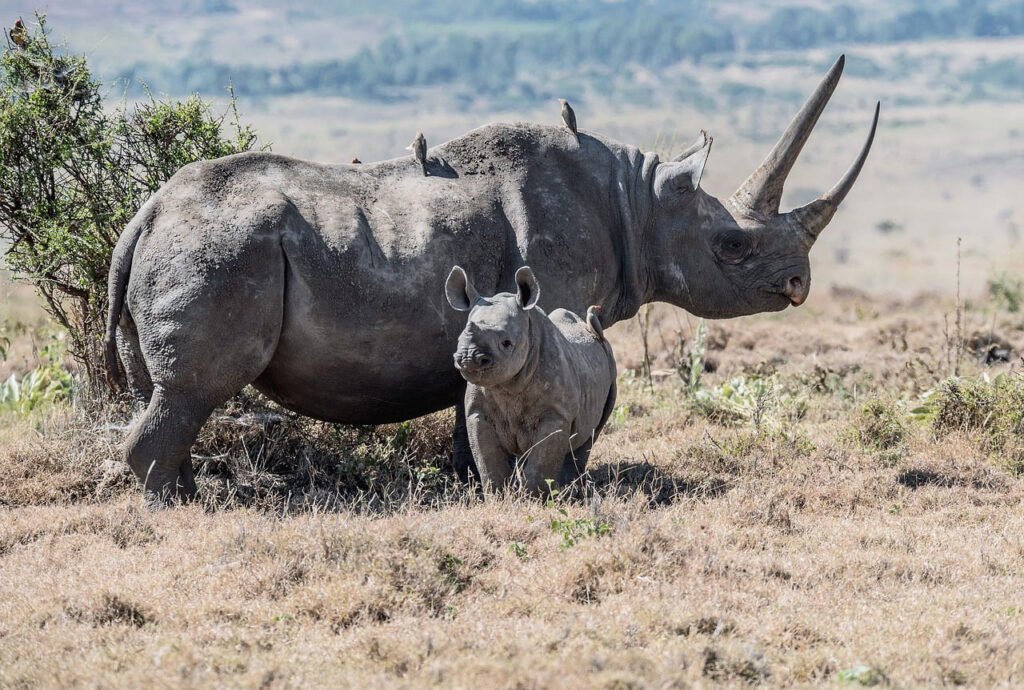
Rhinoceroses are the rarest of the Big Five in the Serengeti due to historical poaching and habitat loss. They are large, powerful herbivores with thick skin and one or two horns depending on the species. Rhinos are generally calm but can become very aggressive when threatened. Conservation efforts are very important for protecting them, as they are one of the most endangered animals in African wildlife. Their presence represents the importance of wildlife protection and conservation success in areas like the Serengeti ecosystem.
The Great Wildebeest Migration
The Great Wildebeest Migration is one of the most powerful and continuous wildlife movements in African wildlife. It takes place every year across the Serengeti ecosystem, where millions of wildebeests, zebras, and gazelles move in search of fresh grazing land and water. This movement is not random it follows the natural rhythm of rainfall and grass growth across the plains. It is one of the main reasons the Serengeti is considered one of the greatest safari destinations in the world.
Inside Serengeti National Park, this migration creates a living cycle of life and survival that shapes the entire ecosystem. Every stage of the journey brings different wildlife experiences, from new births to dramatic predator encounters and dangerous river crossings.
What Happens During the Annual Migration Cycle?
The migration begins in the southern Serengeti, where large herds gather during the rainy season when fresh grass is available. This area becomes an important breeding ground, and thousands of baby wildebeests are born during this time. The presence of newborn animals also attracts predators, creating intense survival activity on the plains.
As the dry season approaches and grass becomes scarce, the herds slowly start moving northward in search of greener pastures. This movement is not a straight journey but a continuous flow of animals spreading across different parts of the ecosystem. The animals travel long distances, often following ancient routes that have been used for generations.
When the herds reach river systems such as the Mara River, they face one of the most dangerous parts of their journey. Large groups gather at the riverbanks, and eventually thousands of animals attempt to cross the water. This stage is extremely risky because of strong currents, steep banks, and crocodiles hiding beneath the surface, making it one of the most dramatic wildlife events in the world.
After spending time in the northern regions, the herds gradually begin moving back south as seasonal rains return to the Serengeti plains. This return journey completes the natural cycle, allowing the ecosystem to recover and restart the process again.
Why Are River Crossings So Important in the Migration?
River crossings are one of the most intense and unforgettable moments in the Great Migration. During this stage, animals must overcome natural barriers to continue their journey toward fresh grazing land. The Mara River becomes a major obstacle, and the pressure of survival forces the herds to take risks despite the danger.
As thousands of wildebeests gather at the riverbank, tension builds until the first animals begin to cross. Once movement starts, the entire herd follows, creating chaos, confusion, and dramatic wildlife action. Crocodiles waiting in the water take advantage of the situation, and strong currents often sweep weaker animals away. Despite these dangers, the instinct to survive pushes the migration forward.
How Do Predators Follow the Migration?
The Great Migration also influences predator behavior across the Serengeti. Large predators such as lions, cheetahs, leopards, hyenas, and crocodiles closely follow the herds throughout the year. This is because the migration provides a constant food source that supports their survival.
Predator encounters happen frequently during the migration, especially when herds are concentrated in one area or when animals are vulnerable during river crossings. Young or weak wildebeests are often targeted, creating natural balance within the ecosystem. These interactions are one of the reasons the Serengeti is so famous for dramatic wildlife scenes and real-time survival events.
When Is the Best Time to See the Great Migration?
The best time to experience the Great Wildebeest Migration depends on the type of wildlife activity a traveler wants to see. During the early months of the year, visitors can witness large numbers of newborn animals on the southern plains, which is a peaceful yet highly active wildlife period.
As the year progresses, the herds move toward the northern Serengeti, where river crossings become the main highlight. This period is especially popular among safari travelers because it offers intense wildlife action and unforgettable scenes of survival. Later in the year, the herds begin returning south, spreading across the plains once again as fresh grass becomes available.
Each stage of the migration offers a different perspective of African wildlife, making it one of the most dynamic and continuously changing safari experiences in the world.
Predators of the Serengeti
The Serengeti is one of the richest wildlife ecosystems in Africa, and it is also home to some of the most powerful predators in the world. These predators play a very important role in keeping the ecosystem balanced by controlling herbivore populations and removing weak or sick animals from the wild. Without predators, the Serengeti would not function as a healthy natural system.
Inside Serengeti National Park, predators such as lions, cheetahs, leopards, hyenas, and African wild dogs can be found across different habitats including open plains, woodlands, and river areas. Each predator has its own hunting style and survival strategy, making the Serengeti a unique place to observe real wildlife behavior.
Why Are Lions the Dominant Predators in the Serengeti?
Lions are the most dominant predators in the Serengeti and are often seen as the kings of African wildlife. They live in groups called prides, which helps them hunt large animals and protect their territory. Lions are strong, social, and strategic hunters.
They usually hunt animals like wildebeests, zebras, buffalo, and antelopes. Lions often work together to surround and catch prey, especially during early morning or nighttime hours when hunting is easier.
Because of their strength and teamwork, lions play a major role in controlling large herbivore populations and maintaining ecological balance.
How Do Cheetahs Hunt in the Serengeti?
Cheetahs are the fastest land animals in the world and are built for speed rather than strength. In the Serengeti, they mainly hunt during the daytime when they can clearly see their prey on open grasslands.
Cheetahs rely on:
- High-speed sprints
- Sharp eyesight
- Quick acceleration
- Short, powerful chases
They usually target smaller animals such as gazelles and young antelopes. Unlike lions, cheetahs avoid fighting larger predators and often lose their kills to stronger animals. Despite this, their speed makes them one of the most efficient hunters in African wildlife.
Why Are Leopards So Hard to See in the Serengeti?
Leopards are secretive and solitary predators that are very difficult to spot during a safari. They prefer to stay hidden in trees, dense bushes, or rocky areas where they can ambush prey quietly.
Leopards are strong climbers and often drag their kills into trees to protect them from other predators like hyenas and lions. They hunt mostly at night and rely on stealth rather than speed or group hunting.
Their adaptability allows them to survive in different environments, but their shy behavior makes sightings rare and special for safari visitors.
How Do Hyenas Survive in the Serengeti?
Hyenas are highly intelligent and social predators that live in large groups called clans. In the Serengeti, they are both hunters and scavengers, meaning they can hunt their own prey or steal food from other predators.
Hyenas are known for:
- Strong teamwork in hunting
- Powerful jaws that crush bones
- Excellent endurance for long chases
- Opportunistic feeding behavior
They often compete with lions for food, and in some cases, hyenas can even steal kills from lions when they outnumber them. Their adaptability makes them one of the most successful predators in African wildlife.
Why Are African Wild Dogs Important Predators?
African wild dogs are one of the most efficient and endangered predators in the Serengeti. They live in highly organized packs and hunt with excellent coordination. Their hunting success rate is higher than many other predators because of their teamwork and stamina.
Wild dogs rely on:
- Communication within the pack
- Long-distance chases
- Cooperation during hunts
- Fast decision-making
They mainly hunt medium-sized animals like antelopes and gazelles. Although they are not as strong as lions or hyenas, their teamwork makes them extremely effective hunters.
African wild dogs are also important for maintaining ecological balance, and their presence indicates a healthy ecosystem in the Serengeti.
Each of these predators plays a unique role in shaping life in the Serengeti, creating one of the most dynamic and exciting wildlife environments in the world.
Herbivores of the Serengeti
Herbivores are plant-eating animals and they form the largest group of wildlife in the Serengeti ecosystem. These animals are extremely important because they support the entire food chain by providing food for predators such as lions, cheetahs, and hyenas. Without herbivores, the balance of African wildlife would not exist as it does today.
Inside Serengeti National Park, huge herds of herbivores move across the plains throughout the year, especially during the Great Wildebeest Migration. Their constant movement, feeding habits, and survival strategies help shape the landscape of the Serengeti.
Why Are Wildebeests the Most Important Herbivores in the Serengeti?
Wildebeests are the most famous herbivores in the Serengeti because of their role in the Great Migration. Millions of wildebeests travel across the plains in search of fresh grass, creating one of the most dramatic wildlife movements in the world.
They are important because they:
- Form the largest migrating herds in Africa
- Provide food for many predators
- Help distribute nutrients across the ecosystem
Wildebeests are strong, resilient animals that survive long journeys, river crossings, and predator attacks during migration. Their movement is one of the key features of Serengeti wildlife.
Why Are Zebras Important in the Serengeti Ecosystem?
Zebras are another major herbivore species that often travel alongside wildebeests during migration. Their striped patterns are unique and help them confuse predators when moving in groups.
Zebras play an important role because they:
- Eat tougher grass that other animals avoid
- Help improve grassland quality for other herbivores
- Support migration herds with shared protection
Their mixed grazing behavior with wildebeests helps maintain a healthy balance of vegetation in the Serengeti ecosystem.
Why Are Giraffes Unique Herbivores in the Serengeti?
Giraffes are the tallest land animals in the world and are commonly seen in the Serengeti feeding on tall acacia trees. Their long necks allow them to reach leaves that other herbivores cannot access.
They are important because they:
- Help control tree growth by feeding on leaves
- Support seed dispersal through movement
- Add diversity to Serengeti wildlife landscapes
Giraffes are peaceful animals and are often seen moving slowly across the savannah, making them a favorite sight for safari travelers.
Why Are Antelopes So Common in the Serengeti?
Antelopes are one of the most diverse groups of herbivores in the Serengeti. They include species such as gazelles, impalas, topis, and elands. These animals are fast, alert, and highly adapted to escaping predators.
Antelopes are important because they:
- Serve as primary prey for many predators
- Help maintain grassland balance through grazing
- Contribute to biodiversity in the ecosystem
Their speed and awareness help them survive in a predator-rich environment, making them a vital part of Serengeti wildlife.
Why Are Hippos Important in the Serengeti?
Hippos are large semi-aquatic herbivores that spend most of their time in rivers and lakes during the day and come out to graze on grass at night. They are commonly found in water systems within the Serengeti ecosystem.
Hippos are important because they:
- Maintain river ecosystems through movement and feeding
- Provide nutrients to water systems through waste
- Support aquatic biodiversity
Although they appear calm, hippos are very territorial in water and are considered one of the most dangerous animals in Africa when threatened.
Together, all these herbivores create a strong foundation for the Serengeti ecosystem, supporting predators, maintaining vegetation balance, and contributing to the rich diversity of African wildlife.
Birdlife in the Serengeti
The Serengeti is not only famous for large mammals and predators, but it is also one of the richest birdwatching destinations in Africa. With more than 500 bird species recorded, the ecosystem offers a wide variety of colors, sounds, and behaviors that make every safari experience more exciting. Inside Serengeti National Park, birds are found in every habitat including open plains, rivers, wetlands, and woodlands, making birdlife an important part of the Serengeti ecosystem.
Why Are Ostriches Important in the Serengeti?
Ostriches are the largest birds in the world and are commonly seen walking across the open plains of the Serengeti. They are strong runners and use their powerful legs to escape predators. Ostriches mainly feed on plants, seeds, and insects, and they are well adapted to dry and open environments. Their presence adds life to the grasslands and makes the safari landscape more dynamic and interesting for visitors.
Why Are Eagles Important Birds of Prey in the Serengeti?
Eagles are powerful hunters in the Serengeti sky and play an important role in controlling small animal populations. Species like martial eagles and tawny eagles are often seen flying high above the plains, searching for prey. They have sharp eyesight and strong talons, which allow them to hunt effectively. Eagles help maintain balance in African wildlife by controlling rodents, reptiles, and small mammals.
Why Do Vultures Matter in the Serengeti Ecosystem?
Vultures are scavenger birds that feed on dead animals left behind by predators. Although they are often misunderstood, they are extremely important for keeping the environment clean and healthy. By removing carcasses, vultures help prevent the spread of disease and support natural recycling in the ecosystem. Large groups of vultures circling in the sky often signal a predator kill nearby.
What Makes Flamingos Special in the Serengeti Region?
Flamingos are famous for their pink color and are usually found in shallow lakes and wetlands within or near the Serengeti ecosystem. They feed on algae and small organisms found in water. Their color comes from their diet, and large flocks create beautiful natural scenes that attract photographers. Flamingos are one of the most visually striking birds in African wildlife.
Why Are Migratory Birds Important in the Serengeti?
Migratory birds travel long distances from other parts of the world and use the Serengeti as a resting and feeding area. These birds arrive seasonally and depend on the ecosystem’s resources to survive their long journeys. Their movement connects the Serengeti to global bird migration routes and increases biodiversity throughout the year. This makes the Serengeti an important stopover for many bird species and a key destination for birdwatching safaris.
Rare and Unique Animals in the Serengeti
The Serengeti is world-famous for its large populations of lions, elephants, and wildebeests, but it is also home to many rare and unique animals that are not easily seen during a normal safari. These species are often secretive, nocturnal, or very good at hiding, which makes spotting them a special experience for visitors. Inside Serengeti National Park, these rare animals play an important role in maintaining the balance of African wildlife ecosystems, even though they are not as commonly seen as the Big Five.
Why Are Honey Badgers Considered Rare in the Serengeti?
Honey badgers are among the most fearless yet rarely seen animals in the Serengeti. They are mostly active at night and spend much of their time underground or moving quietly through the bush. Because they avoid human activity and travel alone, sightings are uncommon. Despite their small size, honey badgers are powerful hunters that feed on snakes, insects, and small animals, making them important for controlling pest and snake populations in African wildlife.
What Makes Serval Cats Unique in the Serengeti?
Serval cats are elegant wild cats known for their long legs, large ears, and spotted coats. They are excellent hunters, especially in tall grass where they use their hearing to detect small prey like rodents and birds. Servals are mainly active at night and rely on stealth and quick jumps to catch their prey. Their unique appearance and hunting style make them one of the most beautiful and interesting safari animals, even though they are not often seen.
Why Are Caracals Special Among Serengeti Wildlife?
Caracals are medium-sized wild cats known for their strong bodies and distinctive black ear tufts. They are powerful and highly skilled hunters that can leap high into the air to catch birds in flight. Caracals are very adaptable and can survive in different habitats, including grasslands and semi-arid areas. Their secretive nature means they are rarely seen during safari game drives, but they play an important role in controlling small animal populations.
Why Are Pangolins So Rare in the Serengeti?
Pangolins are one of the rarest and most unique mammals in African wildlife. They are covered in protective scales and are known for rolling into a tight ball when threatened. Pangolins feed mainly on ants and termites, using their long tongues to extract insects from nests. They are nocturnal and extremely shy, making them very difficult to find in the wild. Unfortunately, pangolins are also heavily threatened by illegal hunting, which makes their conservation very important in ecosystems like the Serengeti.
Best Time to Experience Serengeti Wildlife
The Serengeti is a year-round safari destination, meaning wildlife can be seen in every season. However, each period of the year offers a different experience depending on animal movement, rainfall, and vegetation changes. Choosing the best time for a safari depends on what a traveler wants to see, such as large predator action, green landscapes, newborn animals, or the Great Migration. Inside Serengeti National Park, wildlife behavior changes throughout the year, making every season unique and exciting.
Why Is the Dry Season the Best Time for Wildlife Viewing?
The dry season is considered one of the best times to visit the Serengeti because animals are easier to spot. During this period, grass is shorter and water sources become limited, so wildlife gathers around rivers, lakes, and waterholes. This creates excellent opportunities for game viewing, as large numbers of animals can be seen in one area.
In this season, visitors often experience clear views of lions resting in the shade, elephants moving in herds, and large groups of zebras and wildebeests searching for water. Predators are also more active because prey animals are concentrated, making it a great time to witness hunting behavior. The dry season is especially popular for photography and Big Five sightings due to excellent visibility.
What Makes the Green Season Special in the Serengeti?
The green season occurs after the rains when the Serengeti becomes lush, green, and full of life. This season transforms the landscape into a beautiful and vibrant ecosystem filled with fresh grass and blooming vegetation. Although animals are more spread out due to abundant food and water, the scenery becomes extremely scenic and peaceful.
This is also a great time for birdwatching because many migratory species arrive in the Serengeti. Visitors may also see newborn animals and enjoy fewer crowds, making the safari experience more private and relaxed. The green season is ideal for travelers who enjoy photography and want to experience the Serengeti in its most colorful form.
Why Is the Calving Season So Important for Wildlife?
The calving season is one of the most dramatic and fascinating times in African wildlife. It usually happens in the southern Serengeti when thousands of wildebeests give birth within a short period of time. This creates a powerful natural event filled with new life and intense survival challenges.
During this time, the plains become filled with newborn calves, which are highly vulnerable to predators. This attracts lions, hyenas, and other carnivores, leading to frequent predator-prey interactions. The calving season shows the true cycle of life in the wild, where survival begins immediately after birth. It is one of the most exciting times for safari visitors who want to witness raw wildlife behavior.
How Does Migration Timing Affect the Safari Experience?
The timing of the Great Wildebeest Migration plays a major role in shaping the safari experience. The movement of millions of wildebeests, zebras, and gazelles depends on rainfall patterns and fresh grazing areas across the Serengeti ecosystem.
At different times of the year, the migration can be seen in various parts of the park. In the southern areas, visitors can witness calving season and large herds feeding on fresh grass. As the herds move northward, river crossings become the main highlight, especially when animals cross dangerous rivers filled with crocodiles. Later, the migration returns south as the rains begin again, completing the natural cycle.
Each stage of the migration offers a different safari experience, from peaceful grazing scenes to dramatic survival moments. This continuous movement is what makes the Serengeti one of the most dynamic and fascinating wildlife destinations in the world.
Why the Serengeti Is Important for Conservation
The Serengeti is one of the most important conservation areas in the world because it protects a complete and living ecosystem where millions of animals still survive naturally without major human interference. It is not only a safari destination but also a global symbol of wildlife protection, ecological balance, and biodiversity conservation. Inside Serengeti National Park, conservation efforts ensure that African wildlife continues to thrive for future generations.
Why Is the Serengeti a Protected Ecosystem?
The Serengeti is a protected ecosystem because it contains one of the last remaining large-scale natural wildlife systems on Earth. Protection laws ensure that animals can live, migrate, and reproduce without excessive human disruption. This protection covers vast landscapes including grasslands, woodlands, rivers, and migration corridors.
Because of this protection, animals such as lions, elephants, wildebeests, and cheetahs can continue their natural behaviors. The ecosystem is carefully managed to maintain balance between wildlife, vegetation, and human activities around the park boundaries.
What Are Wildlife Conservation Efforts in the Serengeti?
Wildlife conservation efforts in the Serengeti focus on protecting animals, habitats, and migration routes. These efforts are carried out by park authorities, conservation organizations, and local communities working together to ensure long-term survival of African wildlife.
Some key conservation activities include:
- Protecting animal habitats from human encroachment
- Monitoring wildlife populations
- Supporting eco-tourism to fund conservation
- Educating local communities about wildlife protection
These efforts help maintain healthy populations of both predators and herbivores, ensuring the Serengeti remains one of the richest wildlife areas in Africa.
Why Is Biodiversity Important in the Serengeti?
Biodiversity refers to the variety of living organisms in an ecosystem, including animals, plants, and microorganisms. The Serengeti has extremely high biodiversity, which makes it a stable and resilient ecosystem.
High biodiversity is important because it:
- Maintains ecological balance
- Supports food chains and predator-prey relationships
- Strengthens ecosystem resilience to environmental changes
- Ensures survival of different species
In the Serengeti, every animal from tiny insects to large elephants plays a role in keeping the ecosystem healthy and functioning properly.
How Do Anti-Poaching Initiatives Protect Wildlife?
Anti-poaching initiatives are very important for protecting endangered and vulnerable species in the Serengeti. Poaching is illegal hunting of wildlife, often targeting animals for meat, horns, or other body parts. Conservation teams work hard to stop these activities and protect animals from harm.
Anti-poaching efforts include:
- Patrol teams monitoring protected areas
- Use of technology like tracking systems and drones
- Strong law enforcement and penalties for illegal hunting
- Community involvement in reporting illegal activities
These efforts are especially important for protecting species such as rhinos and elephants, which are more vulnerable to poaching.
Through strong conservation and protection systems, the Serengeti continues to remain one of the most important wildlife ecosystems in the world, preserving African wildlife for future generations and supporting global biodiversity.
Safari Experiences in the Serengeti
The Serengeti offers some of the most unforgettable safari experiences in Africa, attracting travelers from all over the world who want to explore true African wilderness. Each activity gives a different way of experiencing African wildlife, from close encounters on the ground to breathtaking views from the sky. Inside Serengeti National Park, safari experiences are designed to help visitors connect with nature while observing animals in their natural habitats.
Why Are Game Drives the Main Safari Experience in the Serengeti?
Game drives are the most popular safari activity because they offer the easiest and most effective way to see wildlife across the vast Serengeti plains. Visitors travel in specially designed safari vehicles with professional guides who understand animal behavior, movement patterns, and the best locations for wildlife sightings. This makes game drives both educational and exciting.
During game drives, travelers can see a wide range of animals including lions resting under trees, elephants moving in family groups, cheetahs scanning the plains for prey, and large herds of wildebeests and zebras traveling across the savannah. The open landscape of the Serengeti makes it possible to observe many animals within a short time, which is one of the main reasons game drives are so popular for Tanzania safari experiences.
What Makes a Hot Air Balloon Safari in the Serengeti Special?
A hot air balloon safari offers a completely different perspective of the Serengeti by allowing visitors to view the landscape from above. This experience usually takes place at sunrise when the plains are covered in golden light and wildlife is most active. Floating silently above the ecosystem gives travelers a peaceful and unique way to observe African wildlife without disturbing it.
From the sky, visitors can see large herds of animals moving across the plains, rivers winding through the landscape, and predators following their prey. This bird’s-eye view reveals the true scale of the Serengeti ecosystem and is often considered one of the most magical safari experiences in Africa.
Why Are Walking Safaris Important for Understanding the Serengeti?
Walking safaris provide a more intimate and educational experience by allowing visitors to explore the Serengeti on foot with trained guides. Unlike vehicle safaris, walking safaris focus on smaller details of the ecosystem that are often missed, such as animal tracks, plants, insects, and bird calls.
This type of safari helps travelers understand how different parts of the ecosystem are connected. Visitors learn how animals survive in the wild, how predators track their prey, and how even small organisms contribute to the balance of African wildlife. Walking safaris create a deeper connection with nature and offer a true sense of adventure in the wilderness.
What Makes Luxury Safari Camps in the Serengeti Unique?
Luxury safari camps offer comfort and relaxation in the middle of the wild, combining modern facilities with close access to nature. These camps are carefully designed to blend into the environment while still providing a high level of comfort for visitors. Staying in a safari camp allows travelers to experience the sounds of wildlife at night and wake up surrounded by the beauty of the Serengeti.
Guests staying in luxury camps can enjoy comfortable accommodation, delicious meals, and stunning views of the savannah. Many camps are located in prime wildlife areas, making it easy to access game drives and other safari activities. This combination of comfort and wilderness makes luxury safari camps a key part of the Serengeti safari experience.
Why Travelers Love Serengeti Safaris
Serengeti safaris are among the most loved travel experiences in the world because they offer a rare chance to see wildlife in its natural environment without barriers or cages. The combination of vast open plains, rich animal populations, and dramatic wildlife behavior makes every safari unforgettable. Inside Serengeti National Park, travelers experience a true connection with African wildlife in one of the most famous ecosystems on Earth.
Why Do Travelers Enjoy Close Wildlife Encounters?
One of the main reasons people love Serengeti safaris is the opportunity to see animals up close in the wild. Unlike zoos or controlled environments, the Serengeti allows visitors to observe animals behaving naturally in their habitat. Safari vehicles can approach safely, giving travelers clear views of lions resting, elephants walking in herds, and cheetahs scanning the plains for prey.
These close encounters create unforgettable moments because visitors can witness real predator-prey interactions, family behaviors among elephants, and large herds of wildebeests and zebras moving across the savannah. This natural connection with wildlife is what makes the experience so powerful and emotional for many travelers.
What Makes Serengeti Landscapes So Stunning?
The landscapes of the Serengeti are another major reason travelers fall in love with safari experiences. The ecosystem is made up of endless golden plains, rolling grasslands, rocky kopjes, river valleys, and scattered acacia trees. This wide and open environment creates breathtaking scenery that changes beautifully throughout the day.
Sunrise and sunset are especially magical in the Serengeti, as the light spreads across the plains and highlights the movement of wildlife. The combination of animals and landscapes creates a perfect natural setting that feels untouched and timeless, making it one of the most beautiful safari destinations in Africa.
Why Are Photography Opportunities So Special in the Serengeti?
The Serengeti is one of the best places in the world for wildlife photography because of its open landscapes and high concentration of animals. Photographers have endless opportunities to capture dramatic moments such as lion hunts, river crossings, and large migration herds.
The natural lighting, especially during early morning and evening, enhances photography conditions and creates stunning images. Wildlife is also easier to spot in open areas, allowing photographers to capture clear and detailed shots of African wildlife in action. Every safari day presents new opportunities for unique and powerful images.
What Makes the Serengeti an Authentic African Safari Experience?
The Serengeti offers one of the most authentic safari experiences because it remains a largely untouched natural ecosystem where wildlife still follows ancient migration routes and natural survival patterns. There are no artificial enclosures or controlled feeding everything happens according to nature.
Visitors experience real wilderness, where animals hunt, migrate, and interact naturally. The sounds of the wild at night, the sight of endless herds during the day, and the presence of predators all contribute to an immersive experience. This authenticity is what makes the Serengeti a dream destination for anyone seeking a true Tanzania safari adventure and a deep connection with African wildlife.
Conclusion
The Serengeti remains one of the most extraordinary wildlife destinations in the world, offering a rare opportunity to experience African wildlife in its purest and most natural form. From the endless golden plains to the dramatic movements of migrating herds, every part of this ecosystem tells a story of survival, balance, and beauty. Inside Serengeti National Park, travelers can witness some of the most iconic safari animals on Earth, including lions, elephants, zebras, and wildebeests living freely in their natural habitat.
A journey through the Serengeti is more than just a safari it is a deep connection with nature. Whether it is watching predators in action, observing massive herds during the Great Migration, or simply enjoying the peaceful sunrise over the savannah, every moment creates unforgettable memories. This is what makes a Tanzania safari so special and meaningful for travelers from all over the world.
For wildlife lovers, photographers, and adventure seekers, the Serengeti offers an experience that cannot be found anywhere else. It is a place where nature still follows its ancient rhythm and where every day brings new discoveries. Exploring Serengeti wildlife is not just about seeing animals it is about understanding one of the greatest natural ecosystems on the planet and experiencing the true heart of African wildlife.