 English
 Deutsch
 Italia
November 17, 2026
Ngorongoro Crater Safari: Big Five, Wildlife, Best Time and Complete Guide
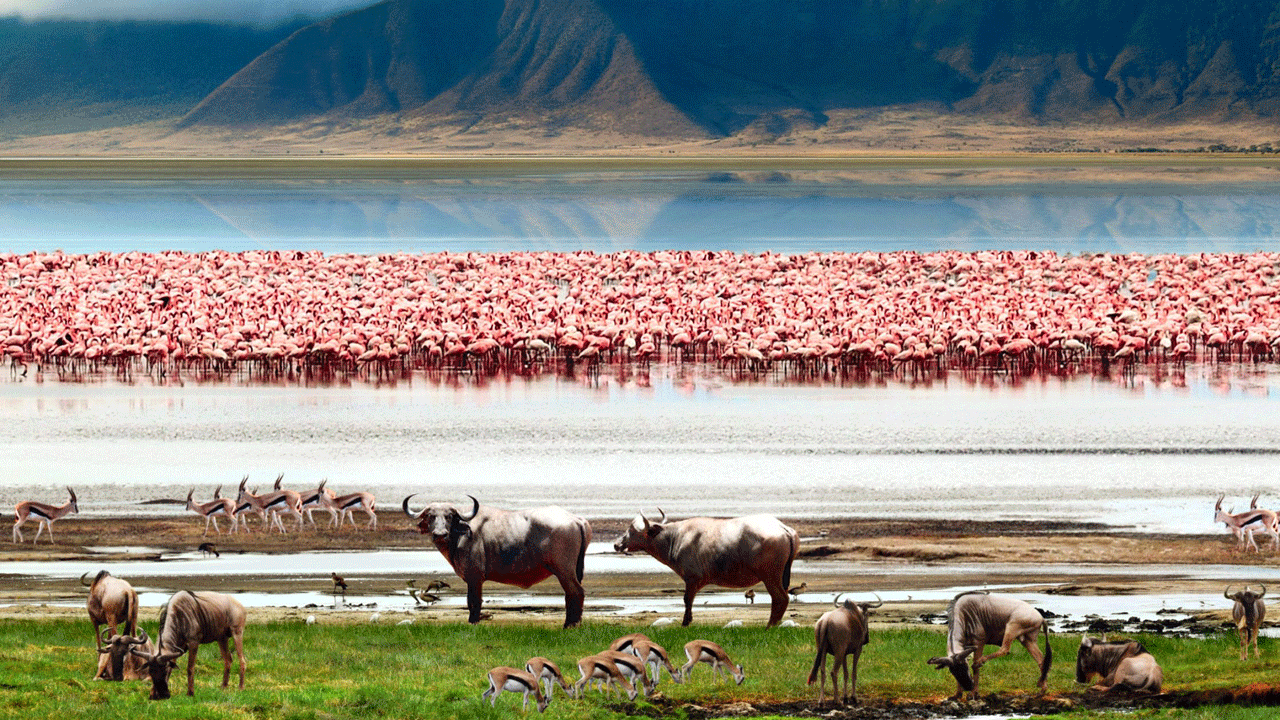
A Ngorongoro Crater safari offers one of the most rewarding wildlife experiences in Tanzania, with opportunities to see the Big Five in a remarkable natural landscape. Located in northern Tanzania within the Ngorongoro Conservation Area, the crater is the world’s largest intact volcanic caldera. Its diverse habitats, including open grasslands, acacia woodlands, swamps and a soda lake, support an impressive variety of wildlife throughout the year.
During a game drive on the crater floor, you may encounter lions, elephants, buffaloes, zebras, wildebeest, hippos and many other animals. Ngorongoro also offers an important opportunity to spot the endangered black rhino, although sightings are never guaranteed. The crater’s relatively compact wildlife area makes it possible to experience a wide range of habitats and animals during a single day’s safari.
Whether you are planning a dedicated Ngorongoro Crater day trip or including it in a longer Tanzania safari with Serengeti and Tarangire National Parks, this guide explains what to expect. Discover the Big Five, other wildlife, the best time to visit, safari costs, accommodation options and practical tips to help you plan your Ngorongoro Crater safari.
Table of contents
- What Makes Ngorongoro Crater Special?
- The Big Five Animals in Ngorongoro Crater
- Other Wildlife You Can See in Ngorongoro Crater
- Best Time to Visit Ngorongoro Crater
- What to Expect on a Ngorongoro Crater Game Drive
- How to Get to Ngorongoro Crater
- How Much Does a Ngorongoro Crater Safari Cost?
- Where to Stay for a Ngorongoro Crater Safari
- How Many Days Do You Need for Ngorongoro Crater?
- Best Tanzania Safari Packages That Include Ngorongoro Crater
- Frequently Asked Questions About Ngorongoro Crater Safaris
- Plan Your Ngorongoro Crater Safari
What Makes Ngorongoro Crater Special?
Ngorongoro Crater stands out as one of Tanzania’s most remarkable safari destinations. Its dramatic volcanic landscape, rich wildlife and diverse habitats create excellent opportunities for wildlife viewing. The crater floor contains open grasslands, acacia woodlands, swamps and a shallow alkaline lake. These habitats attract lions, elephants, buffaloes, zebras, wildebeest, hippos and other wildlife.
The combination of natural beauty, geological history and wildlife makes a Ngorongoro Crater safari a memorable experience for visitors exploring northern Tanzania.
How Was Ngorongoro Crater Formed?
Ngorongoro Crater formed around 2.5 million years ago after a massive volcano collapsed. The volcano once stood much higher than the surrounding landscape. When its underground magma chamber emptied, the summit lost support and collapsed inward, creating a huge bowl-shaped depression called a caldera.
Over millions of years, rain, streams and natural erosion gradually shaped the crater floor. Today, grasslands, woodlands, swamps and Lake Magadi create different habitats that support a wide variety of wildlife.
Geologists classify Ngorongoro as a volcanic caldera rather than an ordinary crater. It ranks among the world’s largest intact volcanic calderas and gives visitors a chance to explore a remarkable natural landscape.
Where Is Ngorongoro Crater Located?
Ngorongoro Crater lies in northern Tanzania, within the Ngorongoro Conservation Area in the Arusha Region. It forms part of the famous northern Tanzania safari circuit, between the Lake Manyara area and Serengeti National Park.
Most travellers reach the crater by road from Arusha or nearby Karatu. The journey also connects easily with popular safari destinations such as Tarangire National Park, Lake Manyara National Park and Serengeti National Park.
The wider Ngorongoro Conservation Area also supports Maasai communities, who maintain their traditional pastoral lifestyles alongside wildlife conservation. This relationship between people, wildlife and nature gives the area a special cultural and ecological value.
Ngorongoro Crater Size, Depth and Landscape
Ngorongoro Crater covers approximately 260 square kilometres and measures about 20 kilometres across. Its steep volcanic walls rise around 610 metres above the crater floor, creating an impressive natural enclosure.
The crater floor contains several distinct landscapes. Open grasslands provide grazing areas for zebras, wildebeest and buffaloes. Acacia woodlands offer shelter for elephants and other animals, while freshwater springs and swamps attract hippos and many bird species.
Lake Magadi, a shallow alkaline lake, adds another striking feature to the landscape. Flamingos and other waterbirds sometimes gather along its shores when water conditions suit them.
These different habitats support a rich variety of wildlife within a relatively compact area. During one game drive, visitors can explore changing landscapes, observe different animal species and enjoy spectacular views of the crater walls.
The Big Five Animals in Ngorongoro Crater
Ngorongoro Crater offers excellent opportunities to see several of Africa’s famous Big Five animals: lions, African elephants, African buffaloes, black rhinos and leopards. The crater’s grasslands, woodlands and water sources provide suitable habitats for these impressive animals.
During a game drive, visitors often encounter lions, elephants and buffaloes. Black rhinos and leopards require more patience because they can remain difficult to spot. Although the crater offers a good chance to see the Big Five, no safari can guarantee sightings of all five animals.
Lions
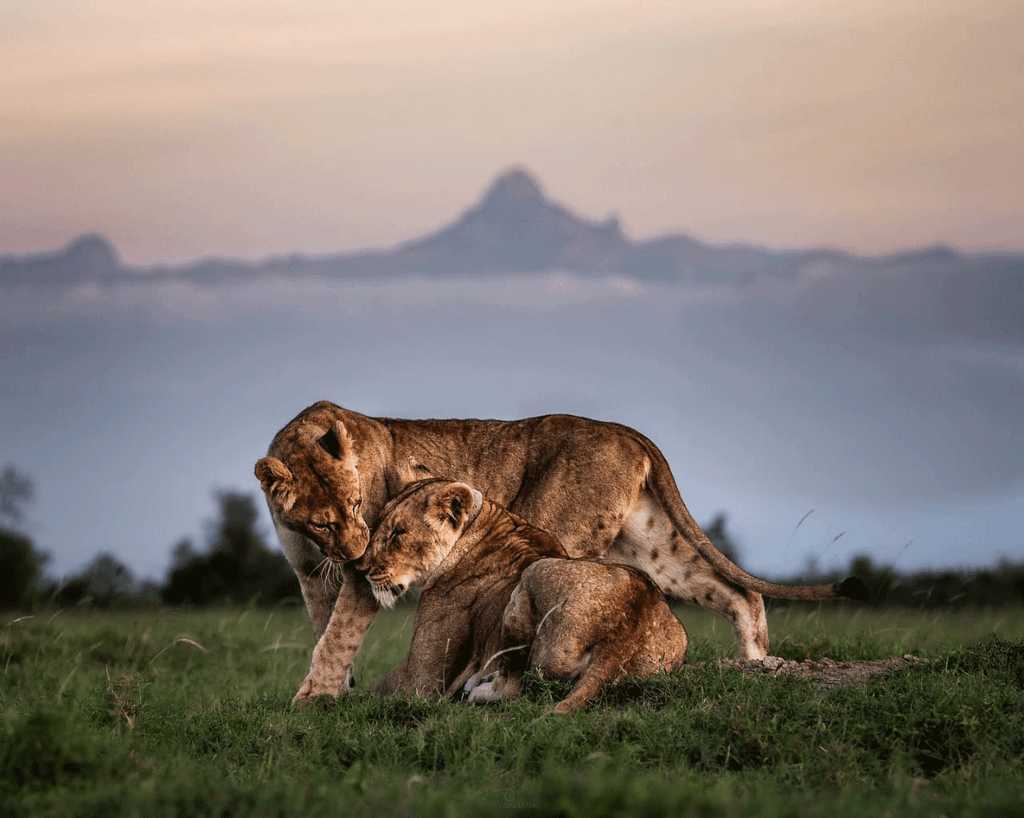
Lions rank among the most exciting animals to see during a Ngorongoro Crater safari. The crater supports a well-known lion population, and visitors often spot these powerful predators resting in the grass, walking across open plains or searching for prey.
Lions usually hunt wildebeest, zebras and other grazing animals. They often rest during the warmer hours and become more active in the early morning and late afternoon. Your safari guide can help you look for lions around open grasslands, where their movements are easier to observe.
African Elephants
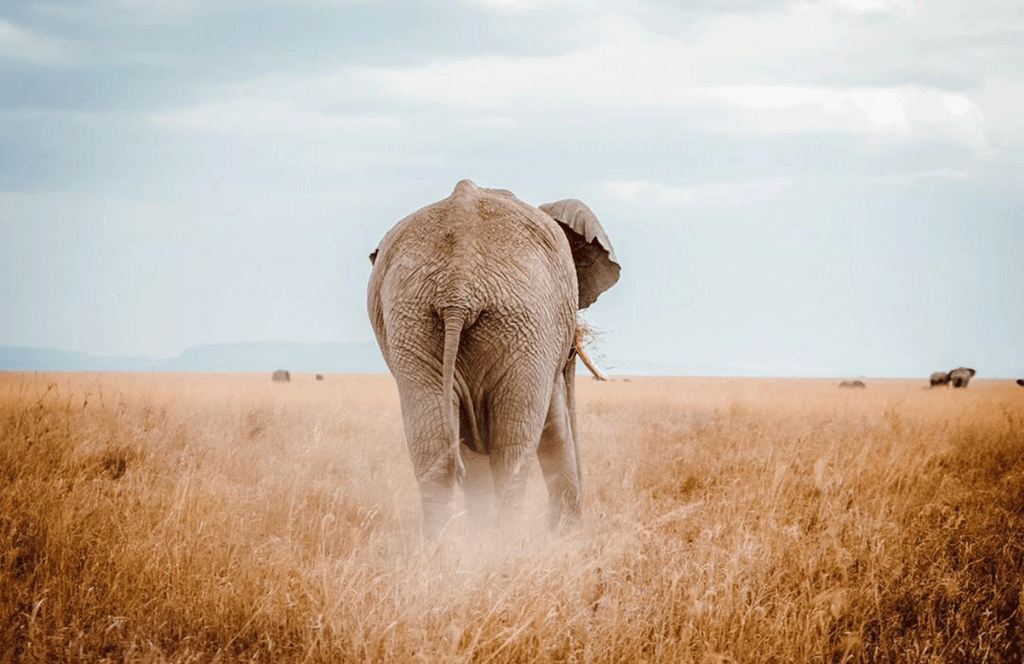
African elephants add another unforgettable experience to a Ngorongoro Crater safari. Visitors often encounter large bulls as they move through woodland areas, feed on vegetation or walk across open ground.
The crater’s woodland habitats provide food and shelter for these enormous mammals. Male elephants can grow impressive tusks, although tusk size varies between individuals. Watching an elephant move through its natural habitat gives visitors a closer appreciation of its strength, intelligence and social behaviour.
African Buffaloes
African buffaloes rank among the most frequently encountered large mammals in Ngorongoro Crater. They often gather in large herds across open grasslands, where they graze on fresh vegetation.
Their heavy bodies, curved horns and strong herd behaviour make them easy to recognise. Buffaloes also play an important role in the crater’s ecosystem because they provide prey for lions. During a game drive, you may see them grazing, resting near water or moving together across the crater floor.
Black Rhinos
The black rhino is one of the most special animals visitors hope to see in Ngorongoro Crater. This critically endangered species lives within the crater, where conservation teams work to protect its remaining population.
Black rhinos usually prefer areas with shrubs, grass and suitable vegetation. Their relatively solitary behaviour and cautious nature can make sightings challenging. Your guide may help you search for them across open grasslands and near woodland edges.
Seeing a black rhino in the wild can become one of the most memorable moments of your Tanzania safari. However, visitors should understand that sightings depend on the animal’s movements and location on the day.
Leopards
Leopards complete the Big Five, but they often prove the most challenging animals to spot during a Ngorongoro Crater game drive. These solitary cats use their spotted coats as camouflage and prefer areas with trees, rocks and thick vegetation.
Leopards often rest on tree branches during the day and hunt smaller mammals at night. Their quiet movements and secretive behaviour make them difficult to find, even for experienced safari guides.
Although visitors sometimes spot leopards around wooded areas and suitable rocky habitats, sightings remain unpredictable. A patient guide and careful observation can improve your chances of finding this elusive predator.
Other Wildlife You Can See in Ngorongoro Crater
Beyond the famous Big Five, Ngorongoro Crater supports many other wildlife species that make every game drive interesting. Its grasslands, wetlands, woodlands and lake shores attract grazing animals, predators and waterbirds throughout the year.
Visitors may encounter zebras, wildebeest, spotted hyenas, jackals, hippos and several bird species during their safari. These animals play important roles in the crater’s ecosystem and give travellers more opportunities to observe Tanzania’s wildlife.
Zebras and Wildebeest
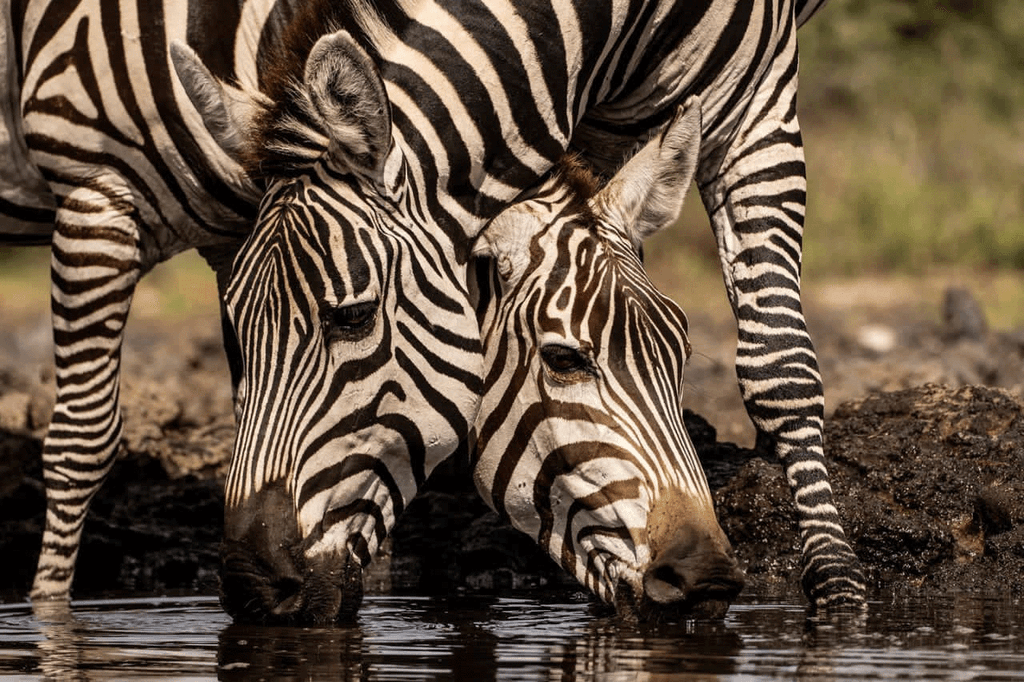
Zebras and wildebeest are among the most commonly seen grazing animals in Ngorongoro Crater. They feed on the open grasslands, often moving in groups across the crater floor.
Plains zebras stand out through their distinctive black-and-white stripes, while wildebeest have strong shoulders, curved horns and long faces. Both species attract predators such as lions and spotted hyenas, making them an important part of the crater’s natural food chain.
Unlike the large seasonal herds that travel across the Serengeti ecosystem, many zebras and wildebeest in Ngorongoro Crater remain within the crater area throughout the year. Their presence gives visitors good opportunities to observe grazing wildlife during different seasons.
Hyenas and Jackals
Spotted hyenas are among the most interesting predators to watch in Ngorongoro Crater. They hunt animals such as wildebeest and young zebras, but they also feed on carrion. Their powerful jaws help them break down bones and use food that other predators leave behind.
Visitors may see hyenas moving across open grasslands, resting near their dens or following herds of grazing animals. Their social behaviour and communication make them fascinating subjects for wildlife photography.
Golden jackals also inhabit the crater. These smaller predators often move through grasslands in search of rodents, insects, birds and other small food sources. Their alert movements and opportunistic feeding habits make them interesting to spot during a game drive.
Hippos and Flamingos
The crater’s freshwater pools and Lake Magadi attract different types of water-loving wildlife. Hippos spend much of the day resting in water to protect their sensitive skin from the sun. They usually leave the water at night to graze on nearby grasslands.
Visitors often have an opportunity to observe hippos at suitable water sources, including the famous Ngoitokitok Springs area.
Lake Magadi, a shallow alkaline lake on the crater floor, attracts flamingos and other waterbirds when conditions provide suitable feeding grounds. Flamingos feed on tiny organisms in the water, and their pink colouring adds a beautiful contrast to the crater landscape. Their numbers change with water levels and feeding conditions, so visitors should not expect large flocks on every visit.
Birds of Ngorongoro Crater
Ngorongoro Crater offers excellent birdwatching opportunities for visitors who enjoy observing different bird species. Its grasslands, forests, wetlands and lake habitats attract a wide range of resident and migratory birds.
Depending on the season and location, visitors may spot ostriches, kori bustards, crowned cranes, secretary birds, flamingos, herons and different species of eagles. The crater’s wetlands also attract waterbirds, while open grasslands provide feeding areas for ground-dwelling species.
Birdwatchers can enjoy different sightings throughout the year, especially around Lake Magadi, freshwater springs and wetland areas. Bringing binoculars and allowing time to observe the smaller details can make a Ngorongoro Crater safari even more rewarding.
Best Time to Visit Ngorongoro Crater
You can visit Ngorongoro Crater throughout the year, but each season offers a different safari experience. The dry season from June to October provides easier wildlife viewing, while the green season from January to March brings fresh grass, beautiful scenery and excellent birdwatching. The rainy months can also offer quieter safari experiences and lush landscapes.
June to October to Dry Season
June to October offers some of the best conditions for a Ngorongoro Crater safari. Short grass makes wildlife easier to spot, and animals often gather around permanent water sources. You have good opportunities to see lions, elephants, buffaloes, zebras and other wildlife. The weather usually stays cooler and drier, especially in the crater highlands, so bring warm clothing for early morning game drives.
November to December to Short Rains
November and December bring short afternoon or evening showers that refresh the crater’s grasslands. The landscape becomes greener, and fewer visitors may create a quieter safari experience than during peak dry-season months. Wildlife remains in the crater throughout this period, so you can still enjoy excellent game viewing. Pack a light rain jacket and prepare for occasional wet roads.
January to March to Green Season
January to March offers green scenery, fresh grazing areas and good birdwatching opportunities. Many migratory birds visit the Ngorongoro Conservation Area, while resident wildlife continues to thrive inside the crater. You can enjoy beautiful landscapes and potentially fewer crowds than in the busiest dry-season months. February often brings the wildebeest calving season in the wider Serengeti ecosystem, although the main calving areas lie outside Ngorongoro Crater.
April to May to Long Rains
April and May mark the long rainy season in northern Tanzania. Regular rainfall turns the crater into a lush green landscape, creating beautiful photography opportunities. However, heavy showers can make some roads muddy and travel conditions less predictable. You may also encounter fewer safari vehicles, which can make wildlife viewing feel more peaceful. If you travel during these months, allow some flexibility in your itinerary and prepare for wet weather.
What to Expect on a Ngorongoro Crater Game Drive
A Ngorongoro Crater game drive takes you from the crater rim down to a wildlife-rich floor filled with grasslands, woodland, wetlands and seasonal water sources. You travel in a 4×4 safari vehicle with a professional guide who helps you spot animals, understand their behaviour and explore the crater’s different habitats. Most visitors spend several hours watching wildlife before enjoying a picnic lunch and returning to the crater rim.
Descending into the Crater
Your game drive begins with a descent from the crater rim along a steep, winding access road. As your vehicle moves down the crater wall, you enjoy impressive views of the wide caldera and its green landscape. The changing scenery gives you a first look at the crater’s grasslands, acacia woodlands and wetlands.
Your guide may point out wildlife along the way, so keep your camera ready. The descent also gives you a sense of the crater’s size and the natural walls that surround its floor.
Wildlife Viewing on the Crater Floor
Once you reach the crater floor, your guide follows suitable tracks through different habitats in search of wildlife. You may encounter lions resting in the grass, elephants moving through woodland, buffaloes grazing in open areas, zebras crossing the plains and spotted hyenas searching for food.
The crater also offers an opportunity to look for the endangered black rhino. However, rhinos and leopards can be difficult to spot, and no guide can guarantee sightings. Your wildlife experience depends on animal movements, weather and the time you spend exploring different areas.
Your guide also explains animal behaviour and the relationship between predators, herbivores and the crater’s environment.
Picnic Lunch at the Hippo Pool
Around midday, you usually stop at a designated picnic site near the hippo pool. This gives you time to enjoy your packed lunch, relax and take in the surrounding scenery before continuing your game drive.
The nearby water attracts hippos, which you can often watch from a safe distance. You may also see birds around the water and other wildlife in the surrounding habitat. Follow your guide’s instructions and stay within the designated picnic area because wild animals move freely around the crater.
Returning to the Crater Rim
After lunch, you continue exploring the crater floor before your guide begins the journey back to the rim. The return route climbs the crater wall along another steep access road, offering different views of the caldera and its surrounding highlands.
As you reach the rim, you leave the crater floor with memories of its wildlife, landscapes and remarkable scenery. From there, you can continue to your lodge in the Ngorongoro Highlands or Karatu, or travel to your next safari destination.
How to Get to Ngorongoro Crater
You can reach Ngorongoro Crater by road or domestic flight as part of a northern Tanzania safari. Most visitors travel from Arusha in a 4×4 safari vehicle, while others combine a flight to a nearby airstrip with a road transfer. The best route depends on your arrival airport, safari itinerary and available travel time.
Travelling from Arusha to Ngorongoro Crater
Arusha serves as the main starting point for most northern Tanzania safaris. The journey from Arusha to the Ngorongoro Conservation Area covers approximately 160–180 km and usually takes around three to four hours by road, depending on traffic and road conditions.
You travel west through the northern Tanzania countryside, pass the Lake Manyara area and continue towards Karatu and the Lodoare entrance gate. From there, your safari vehicle enters the conservation area and climbs towards the crater rim.
A 4×4 safari vehicle provides comfort on the journey and handles the gravel roads inside the conservation area. Many visitors combine Ngorongoro with Tarangire, Lake Manyara and Serengeti National Park.
Flying to Ngorongoro Crater
If you want to reduce road travel, you can take a domestic flight from Arusha or another northern Tanzania safari destination to a nearby airstrip, such as Lake Manyara. Your safari operator can arrange a transfer from the airstrip to your lodge or the Ngorongoro area.
Most international visitors arrive through Kilimanjaro International Airport (JRO), which lies approximately 50 km from Arusha. From the airport, you can travel to Arusha by road before continuing to Ngorongoro.
You can also connect through Julius Nyerere International Airport in Dar es Salaam and take a domestic flight to Arusha or Kilimanjaro.
Travelling from Serengeti to Ngorongoro Crater
You can also reach Ngorongoro from Serengeti National Park as part of a northern circuit safari. The journey from the Seronera area in Central Serengeti covers approximately 140 km and takes around three hours under normal conditions. Wildlife viewing stops, road conditions and your starting location can extend the journey.
This route works well for visitors who want to experience the Serengeti’s wildlife and the Ngorongoro Crater on the same safari. Your guide can plan the journey around game viewing and your accommodation arrangements.
How Much Does a Ngorongoro Crater Safari Cost?
A Ngorongoro Crater safari can cost different amounts depending on your travel style, group size, accommodation and safari duration. A private luxury safari usually costs more than a shared or budget camping trip. Your total price also depends on conservation fees, the crater service fee, transport, meals and accommodation.
Before you book, ask your safari operator for a clear quotation that explains what the package includes and excludes.
What Influences the Cost of a Ngorongoro Crater Safari?
Several factors determine the total cost of your safari:
1. Conservation and Crater Service Fees
Every visitor must pay the applicable Ngorongoro Conservation Area entry fee. Visitors who descend into the crater also pay a crater service fee for the safari vehicle. These charges form an important part of your safari budget, and the applicable rates depend on visitor category and current NCAA tariffs.
2. Safari Vehicle and Private Guide
A private safari gives you your own 4×4 vehicle and professional guide. You can enjoy a flexible schedule, spend more time watching wildlife and travel at your preferred pace. Shared safaris can reduce the transport cost because several travellers share the vehicle.
3. Accommodation Type
Your choice of accommodation also affects the price. Budget camping offers a more affordable experience, while midrange lodges and tented camps provide additional comfort. Luxury lodges around the crater rim often charge higher rates for their location, facilities and services.
4. Number of Safari Days
A one-day Ngorongoro Crater trip generally costs less than a longer northern Tanzania safari. However, adding destinations such as Serengeti, Tarangire and Lake Manyara increases transport, accommodation and park-related expenses.
5. Travel Season and Group Size
The number of people sharing a safari vehicle can affect the cost per person. Travel dates and accommodation availability can also influence package prices, especially during popular safari periods.
What Does a Ngorongoro Crater Safari Package Usually Include?
A well-organised safari package may include:
- Ngorongoro Conservation Area entry and applicable crater service fees
- 4×4 safari vehicle with a professional driver-guide
- Hotel, lodge or tented camp accommodation
- Meals and drinking water during the safari
- Crater game drive and wildlife viewing
- Airport transfers, depending on the package
- Government taxes and applicable tourism charges
Always check the quotation carefully because some operators exclude airport transfers, travel insurance, tips, drinks and personal expenses.
How to Get the Best Value for Your Ngorongoro Crater Safari
You can manage your safari budget without missing the main experience. Consider joining a small group, choosing comfortable midrange accommodation or combining Ngorongoro with other northern Tanzania destinations in one itinerary.
Compare complete quotations rather than looking at the advertised price alone. A lower price may exclude important fees, meals or accommodation services.
For accurate planning, check the latest fees directly with the Ngorongoro Conservation Area Authority before booking. The Authority can change its tariffs, so operators should confirm the applicable charges when preparing your quotation.
Where to Stay for a Ngorongoro Crater Safari
You can stay on the Ngorongoro Crater rim, in the Ngorongoro Highlands or around Karatu during your safari. Each location offers a different experience, from lodges with crater views to comfortable accommodation surrounded by farmland and green landscapes. Your best choice depends on your budget, safari schedule and the experience you want.
Staying on the Ngorongoro Crater Rim
Staying on the crater rim gives you convenient access to the crater floor and beautiful views across the caldera. Several lodges and tented camps sit along the rim, allowing you to enjoy the surrounding highlands and start your game drive without a long morning transfer.
This location suits travellers who want to maximise their time inside the crater, especially those planning an early morning descent. Some properties also offer spectacular sunrise and sunset views over the crater.
Staying in the Ngorongoro Highlands
The Ngorongoro Highlands offer a peaceful setting with green hills, forests, farmland and traditional Maasai communities. Lodges in this area provide a comfortable base for exploring the crater and other attractions within the conservation area.
You can also combine your crater visit with destinations such as Olduvai Gorge, Empakaai Crater and the surrounding highland landscapes. This option works well for travellers who want more than a single wildlife activity during their stay.
Staying in Karatu
Karatu is a popular accommodation base for visitors travelling between Lake Manyara, Ngorongoro and Tarangire. The town offers a range of budget, midrange and luxury lodges, making it suitable for different safari budgets.
Staying in Karatu usually involves a longer morning drive to the crater entrance compared with staying on the rim. However, it gives you more accommodation choices and works well for travellers following a multi-day northern Tanzania safari.
How to Choose the Best Accommodation
Choose your accommodation based on your travel budget, preferred comfort level and daily itinerary. Consider these points before booking:
- For convenient crater access: Choose a lodge on or near the crater rim.
- For highland scenery: Stay in the Ngorongoro Highlands.
- For more accommodation choices: Consider Karatu.
- For a longer northern circuit safari: Select lodges that follow your route and reduce unnecessary driving.
Your safari operator can recommend accommodation that matches your itinerary and budget. Booking lodges in the right locations helps you spend more time enjoying Tanzania’s wildlife and landscapes rather than travelling between destinations.
How Many Days Do You Need for Ngorongoro Crater?
You need one full day to explore Ngorongoro Crater and enjoy a wildlife game drive. This gives you enough time to descend to the crater floor, search for the Big Five, enjoy a picnic lunch and return to the crater rim. However, spending two or more days in the Ngorongoro Conservation Area allows you to explore more attractions and enjoy a slower safari experience.
The right number of days depends on your interests, available time and whether you want to combine Ngorongoro with other northern Tanzania destinations.
One Day in Ngorongoro Crater
One day works well for travellers with limited time who mainly want to experience the crater and its wildlife. You can start early, descend to the crater floor and spend several hours exploring different habitats with your guide.
During the game drive, you may see lions, elephants, buffaloes, zebras, wildebeest, hippos and other wildlife. You can also look for the endangered black rhino, although sightings are never guaranteed.
A one-day visit suits travellers staying in Karatu or those following a longer northern Tanzania itinerary.
Two Days in the Ngorongoro Conservation Area
Two days give you more time to explore beyond the crater floor. You can spend the first day enjoying a full crater game drive and use the second day to visit attractions such as Olduvai Gorge, Empakaai Crater or the surrounding Ngorongoro Highlands.
This option suits visitors who enjoy wildlife, landscapes, local culture and natural history. It also gives you a more relaxed schedule than a single-day visit.
Three Days or More on a Northern Tanzania Safari
If you have three days or more, consider combining Ngorongoro with other famous destinations in northern Tanzania. You can visit Tarangire National Park for its elephants and baobab trees, explore Lake Manyara National Park and continue to Serengeti National Park for its wide plains and wildlife.
A longer itinerary gives you more opportunities to experience different habitats and wildlife areas. It also allows your guide to plan the journey around accommodation locations and driving distances.
Which Ngorongoro Safari Duration Should You Choose?
Choose your safari duration according to the experience you want:
- One day: Best for a focused Ngorongoro Crater game drive.
- Two days: Best for exploring the crater and other attractions in the conservation area.
- Three to five days: Best for combining Ngorongoro with destinations such as Tarangire, Lake Manyara or Serengeti.
- Six days or more: Best for a more comprehensive northern Tanzania safari with additional wildlife viewing time.
For most first-time visitors, one full day inside Ngorongoro Crater provides a rewarding wildlife experience. If you want to explore more of northern Tanzania, add extra days to your itinerary rather than rushing between destinations.
Best Tanzania Safari Packages That Include Ngorongoro Crater
A Tanzania safari that includes Ngorongoro Crater gives you the opportunity to explore one of Africa’s most remarkable wildlife destinations alongside other famous national parks. You can combine a crater game drive with Tarangire’s elephants, Serengeti’s wide plains and Lake Manyara’s diverse landscapes.
The best itinerary depends on how many days you have, which animals you want to see and your preferred accommodation level. Here are some popular safari options to consider.
3-Day Tanzania Safari: Tarangire, Ngorongoro and Lake Manyara
A 3-day safari suits travellers with limited time who want to experience several northern Tanzania wildlife destinations. You can explore Tarangire National Park, enjoy a full-day game drive in Ngorongoro Crater and visit Lake Manyara National Park.
This short itinerary offers a good introduction to Tanzania’s wildlife, landscapes and national parks. It works well for visitors who have only a few days before or after another trip.
4-Day Tanzania Safari: Tarangire, Serengeti and Ngorongoro
A 4-day safari combines three of northern Tanzania’s most popular wildlife destinations. You can begin in Tarangire, continue to Serengeti National Park for wildlife viewing across its open plains and finish with a game drive inside Ngorongoro Crater.
This itinerary suits travellers who want to experience the Serengeti and Ngorongoro without spending a full week on safari. Your wildlife experience depends on the season, animal movements and time spent in each destination.
5-Day Tanzania Safari: Serengeti and Ngorongoro
A 5-day safari gives you more time to explore the Serengeti ecosystem and Ngorongoro Conservation Area. You can spend multiple days searching for wildlife in Serengeti National Park before travelling to Ngorongoro for a crater game drive.
This option suits visitors who want to focus on big wildlife experiences, including opportunities to see lions, elephants, giraffes, buffaloes and other animals. Depending on your travel dates, your guide can also plan the Serengeti portion around the Great Migration’s seasonal movements.
6 to 7-Day Tanzania Safari: Northern Circuit Highlights
A 6 to 7-day safari allows you to explore more of northern Tanzania at a comfortable pace. A typical itinerary can include Tarangire National Park, Serengeti National Park, Ngorongoro Crater and Lake Manyara.
You have more time for wildlife viewing, scenic drives and overnight stays near the parks. This option works well for first-time visitors who want a broader experience of Tanzania’s northern safari circuit.
8-Day or Longer Tanzania Safari: Extended Wildlife Experience
An 8-day or longer safari gives you more flexibility to explore different areas of the Serengeti and other northern Tanzania destinations. You can spend additional nights in the Serengeti, follow the Great Migration according to the season and include a full-day Ngorongoro Crater game drive.
Longer itineraries suit travellers who want more time for photography, wildlife observation and relaxed travel between destinations.
Choose the Right Tanzania Safari Package
Before choosing your safari, consider your available travel days, preferred accommodation, group size and wildlife interests. The season also matters, especially if you want to follow the Great Migration in the Serengeti.
Compare the itinerary carefully and check how many nights you spend in each destination. A well-planned safari should allow enough time for wildlife viewing instead of rushing between parks.
Explore our Tanzania safari packages to find an itinerary that matches your travel plans, or contact our team for a personalised safari quotation.
Frequently Asked Questions About Ngorongoro Crater Safaris
Can you see all the Big Five in Ngorongoro Crater?
Yes, Ngorongoro Crater supports all five members of the Big Five: lions, elephants, buffaloes, leopards and black rhinos. However, leopard and black rhino sightings can prove difficult, so you cannot guarantee seeing all five during one game drive.
Is one day enough for Ngorongoro Crater?
Yes, one full day gives you enough time to descend into the crater, enjoy a game drive, search for wildlife, have a picnic lunch and return to the rim. You can spend additional days exploring the wider Ngorongoro Conservation Area.
What is the best month to visit Ngorongoro Crater?
June to October offers excellent wildlife viewing because shorter grass makes animals easier to spot. However, you can visit throughout the year. January to March brings greener scenery and good birdwatching opportunities.
Can you see the Great Migration in Ngorongoro Crater?
The Great Migration does not usually pass through the crater floor. However, wildebeest and zebras live in the wider Ngorongoro Conservation Area, and some migration herds move through the surrounding ecosystem. Visit the Serengeti for the main migration experience.
Is Ngorongoro Crater worth visiting?
Yes. Ngorongoro Crater offers beautiful landscapes, diverse habitats and excellent opportunities to see wildlife, including lions, elephants, buffaloes and the endangered black rhino. Its scenery and concentrated wildlife make it a major Tanzania safari destination.
Can you visit Ngorongoro Crater from Arusha?
Yes. You can travel from Arusha to Ngorongoro by safari vehicle. The journey covers approximately 160 to 180 km and usually takes three to four hours, depending on road conditions. You can arrange a day trip or include the crater in a longer northern Tanzania safari.
Plan Your Ngorongoro Crater Safari
Ready to explore Ngorongoro Crater? Experience its breathtaking landscapes, remarkable wildlife and unforgettable game drives with a safari itinerary designed around your travel plans.
Whether you have one day for a crater game drive or several days to explore Tanzania’s northern safari circuit, our team can help you plan the right experience. We can arrange comfortable accommodation, a professional safari guide, a 4×4 safari vehicle and a personalised itinerary that matches your budget and interests.
Explore our Tanzania safari packages or contact our team to start planning your Ngorongoro Crater adventure.
Your Tanzania safari starts with the right plan. Book your Ngorongoro Crater safari and discover the wildlife and natural beauty of Tanzania.